
10 Days in Japan: The Ultimate Itinerary for First Timers
There is one major problem with visiting Japan: it will absolutely ruin every other country for you.
I’m being completely serious. From the moment we touched back down at home in California, all we could think about was when we could go back. Just 10 days in Japan made us feel like we’d lived there for months, and it permanently shifted our perspective on everything.
Suddenly, everything back home feels just a little bit… less inspiring? A little less intentional? We find ourselves constantly searching for things we just can’t seem to find anywhere else—the profound, meditative quiet of the Japanese countryside, the rhythmic, polite murmur of the train stations, and the genuine, soul-warming hospitality of the hosts at the places we stayed.
Within days of returning, we actually ordered a TOTO toilet for our house—because let’s be real, once you’ve experienced Japanese bathrooms, there’s no going back. Now, we’re those people who spend our weekends wandering Japanese grocery aisles for onigiri and hunting for onsen-style hot springs on every trip, desperately trying to recreate that feeling of meditative quiet and mineral-water bliss.
I have fully transformed into that obnoxious person who cannot—and will not—stop talking about their Japan trip. But honestly? I want that for you, too. This isn’t just a list of shrines and sushi spots—it’s the blueprint for a trip that will change you if you let it.
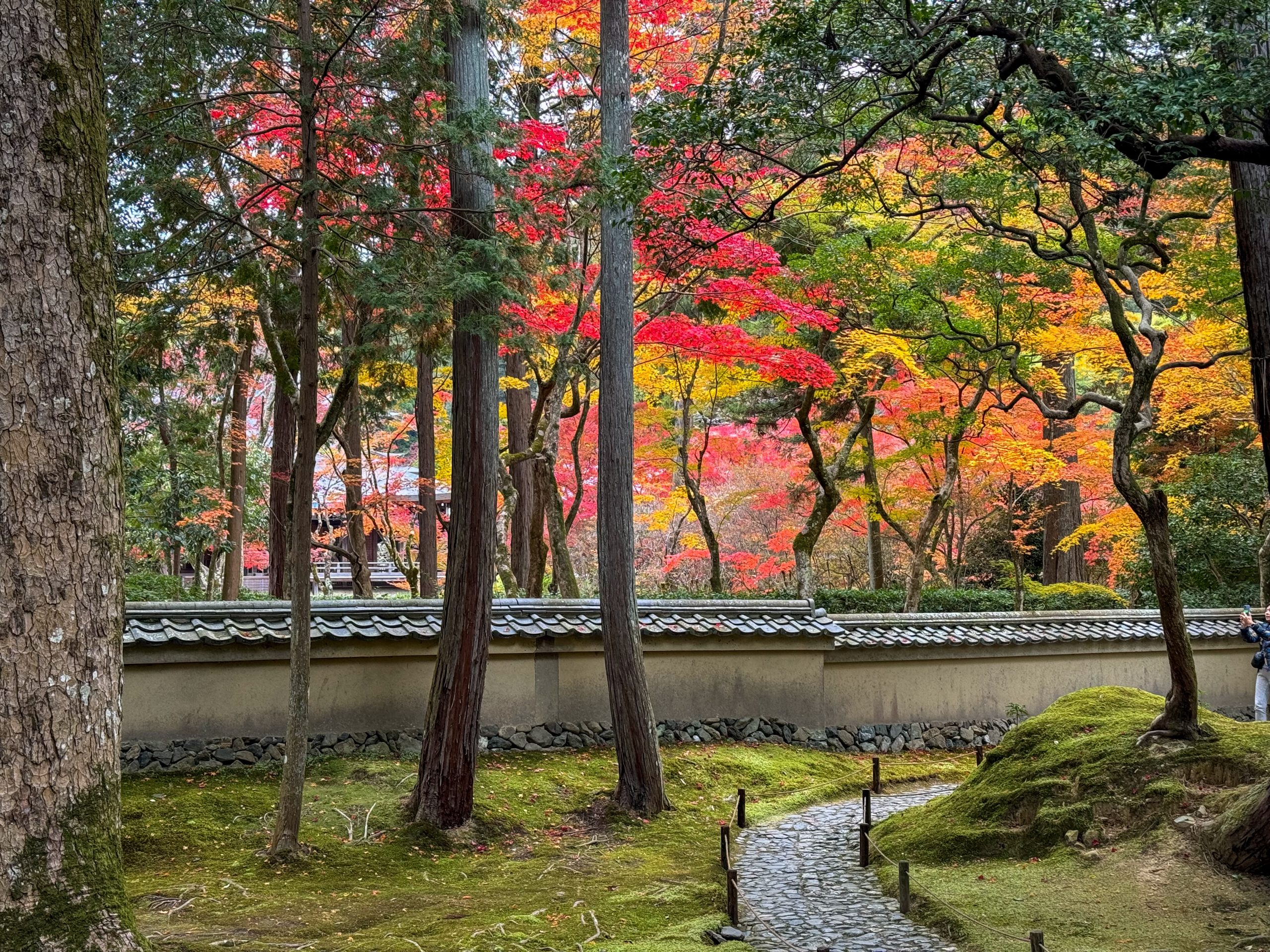
Table of Contents
What’s special about this 10 day Japan Itinerary?
If you’ve followed us for a while, you know we aren’t “check-the-box” travelers. Japan is often marketed as neon lights and high-tech skyscrapers, but we went looking for its soul—and we found it in the quiet mountain paths.
This 10-day guide is designed for the traveler who wants the full spectrum.
- The Nature-First Perspective: We prioritized the “slow” Japan. From the historic Nakasendo mountain trail to the sulfur springs of Hakone, this route is for people who would rather be surrounded by nature than crowds.
- A Childhood Dream Inspired: I grew up on Ghibli movies and anime, and I designed this to capture that “fairytale” feeling—standing in the quiet countryside spots that inspired those hand-drawn worlds.
- The Perfect Balance: We’ve balanced the profound quiet of the countryside with the essential history of Hiroshima and the vibrant energy of Tokyo. It’s an itinerary that respects the culture while seeking out local, off-the-beaten-path experiences.
I’ve also included my alternative bucket list at the end of this post. These are the extra spots and experiences I researched so you can easily swap a day out to make this adventure your own.
Throughout this guide, I’ll be highlighting our favorite regional foods (like the curry that saved our first day!), the unique stays we fell in love with, and helpful links and tips sprinkled in to help you navigate the logistics like a pro.
When is the right time to visit Japan?
Since this itinerary balances nature with city exploring and historical day trips, it works best in the Spring, Summer, and Fall.
Fall (September – November)
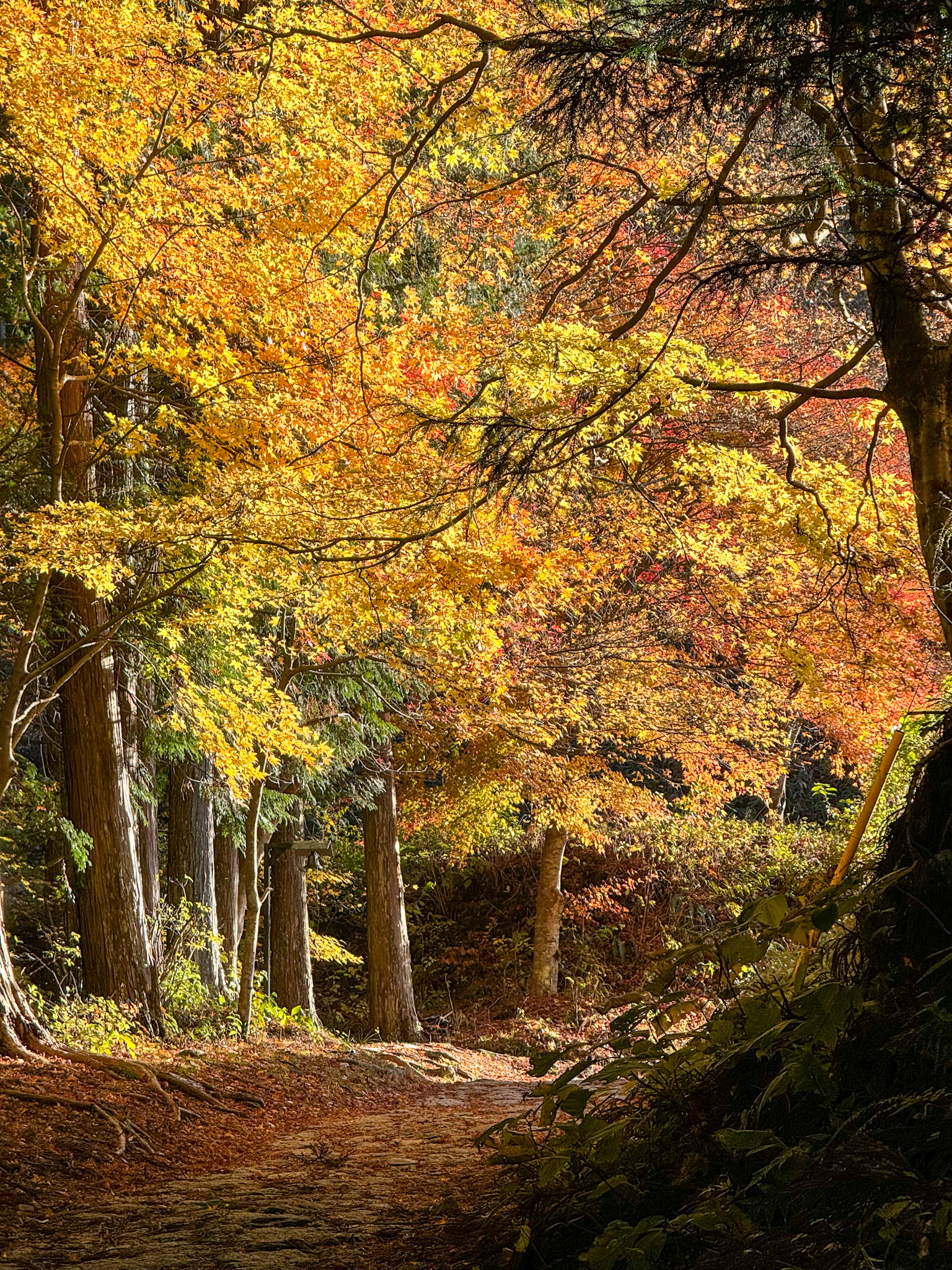
This was our top choice. We did this exact trip in the fall and the colors were unreal. In Kyoto, the shrines are framed by fiery red maples, the hiking temperatures on the Nakasendo are perfect, and there is something beautiful about soaking in an outdoor onsen in Hakone while autumn leaves drift around you.
Spring (March – May)
The cherry blossoms turn the entire country into a soft pink dreamscape, and walking through places like the philosopher’s path in Kyoto feels like stepping directly into a movie. The mild weather makes the heavy transit days—like the round-trip to Hiroshima—very comfortable. Just be warned: this is the busiest season, so you’ll need to book everything at least six months in advance.
Summer (June – August)
If you don’t mind the humidity, summer is the season of energy. The landscape is at its most lush and vibrant, making the forest trails of the Nakasendo and Nikko feel incredibly alive. The real highlight is the culture—it’s the season of matsuri (festivals) and massive firework displays. It’s a sweatier experience, but the mountain streams and cold onsen baths are there to save you.
Winter (December – February)
I’ll let you in on a secret: Japan in the winter has been on my bucket list even longer than the cherry blossoms. While this specific itinerary isn’t ideal for winter—mountain trails like the Nakasendo get icy and many local shops take a seasonal break—the country is stunning in the snow. If you do go during the colder months, I’d swap the hiking days for the iconic hot spring streets of Ginzan Onsen or the massive ice sculptures at the Sapporo Snow Festival. Plus, winter offers the best visibility; if you want a perfectly cloudless view of Mt. Fuji from Hakone, this is your best shot.
Pro Tip: Avoid Golden Week (late April to early May) at all costs. It’s a string of national holidays where the entire country travels at once, meaning packed trains, tripled hotel prices, and very crowded trails.
The International Traveller’s Check List
Japan is easily the most organized country I have ever visited, but that efficiency works best if you’re prepared before you land. Preparing for an international journey requires some logistical legwork. Beyond a valid passport and travel insurance, there are a few Japan-specific essentials to handle before you land to ensure your transition into the country is as smooth as possible.
While Japan is becoming more digital, cash is still essential at many traditional shrines, smaller izakayas, and local shops. Plan for yen withdrawals ahead of time or upon arrival. You will also need to choose between a portable Wi-Fi device or an eSIM as a backup for network—essential for navigation.
You should also decide if the Japan Rail Pass is right for your specific route. Since the massive price hike in late 2023, it only pays off for very high-intensity travel, so I recommend using an online fare calculator to see if individual tickets are a better deal for a slower 10-day itinerary like this one.
Lastly, remember that physical IC cards can still be hard to find. Adding a digital Suica to your phone’s wallet or picking up a Welcome Suica at the airport is the smartest way to keep your transit seamless across the country. I’ll be sharing a more detailed, deep-dive checklist in a new blog post very soon!
10 Day Japan Itinerary for First Timers
Let’s now dive into the exciting part – the itinerary!
Day 1: Arriving in Tokyo, Mt. Fuji and the Hot Springs of Hakone
The adventure started the moment we touched down at Haneda Airport at around 5am. After the long flight from California, we hit the ground running—grabbing our pocket Wi-Fi, withdrawing some yen, and immediately heading toward the one place we knew could cure our jet lag: the onsen town of Hakone.
The Day at a Glance
- Morning: Land in Tokyo
- Brunch at C&C Curry, Shinjuku
- Afternoon: Tenzan Onsen, Hakone
- Evening: Sunset at Lake Ashi
- Night: Via Inn, Nagoya
Overwhelmed at Shinjuku
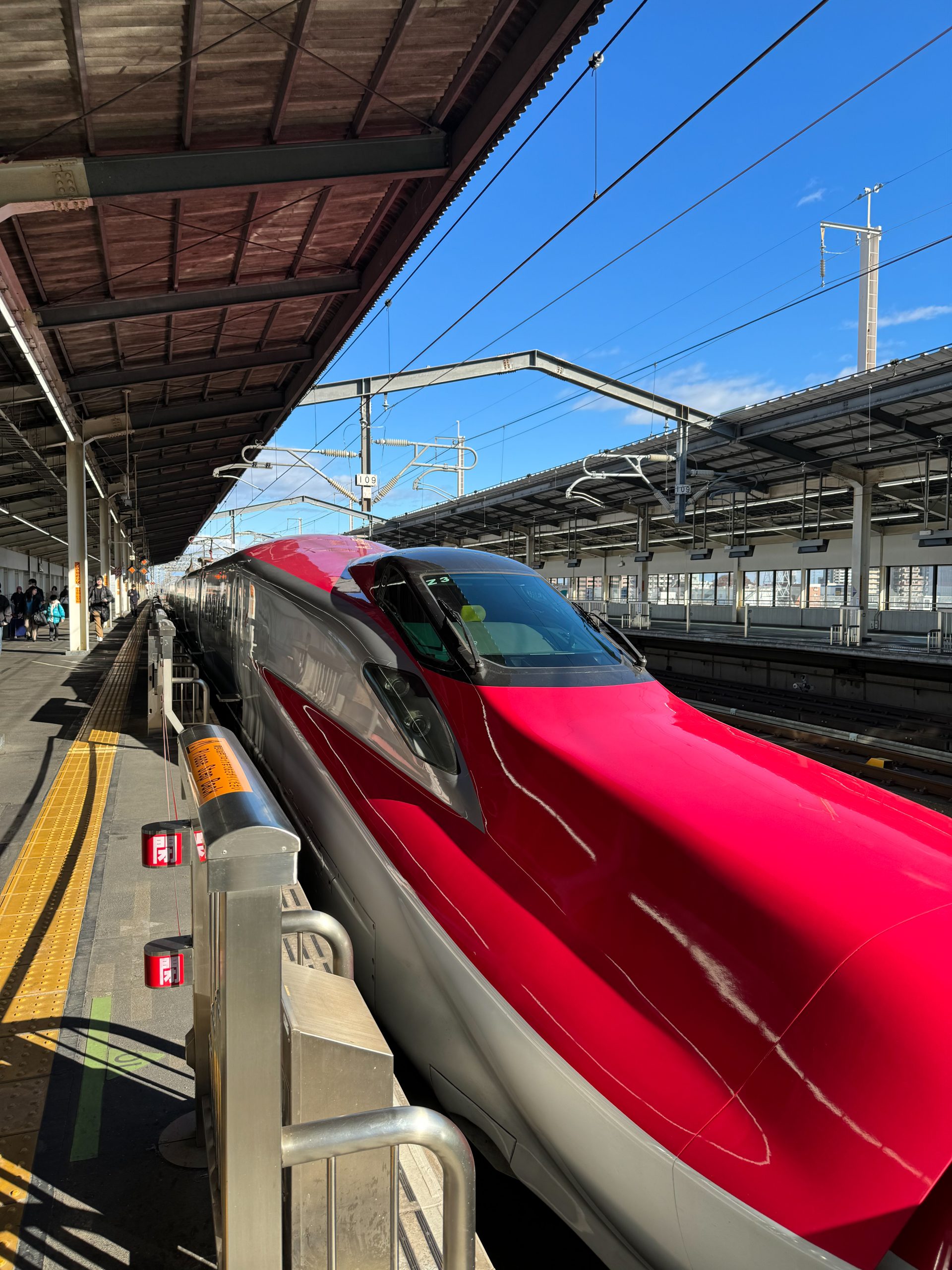
We headed to Shinjuku Station to ditch our heavy luggage in the lockers (you’ll see storage lockers everywhere in stations), planning to keep just our backpacking packs for the next four days. This was our first real “welcome to Japan” moment. We quickly learned that most station lockers have a strict three-day maximum. The instructions were primarily in Japanese, and despite the polite help of locals, we were still trying to figure out where to store our luggage. Between the jet lag and the “hangry” feelings starting to set in, missing our planned train to Hakone felt like a total defeat.
Pro Tip: Your first few hours in a Japanese train station will be overwhelming. Give yourself a few hours of “buffer time” to get comfortable with the signs and the pace. And remember: Japanese trains are famously right on time—to the second.
The Best Curry of the trip in Shinjuku
Before a total meltdown occurred, we stumbled upon C&C Curry inside Shinjuku Station. It’s a classic “stand-and-eat” shop where salarymen zip in and out in minutes. We hogged down the spicy curry—honestly the best we had the entire trip—and my mood instantly shifted. We decided to risk the locker situation, figuring that if we stayed over the limit, our luggage might be moved to a different location and we’d just have to track our bags down there later.
A Dream View of Mt. Fuji
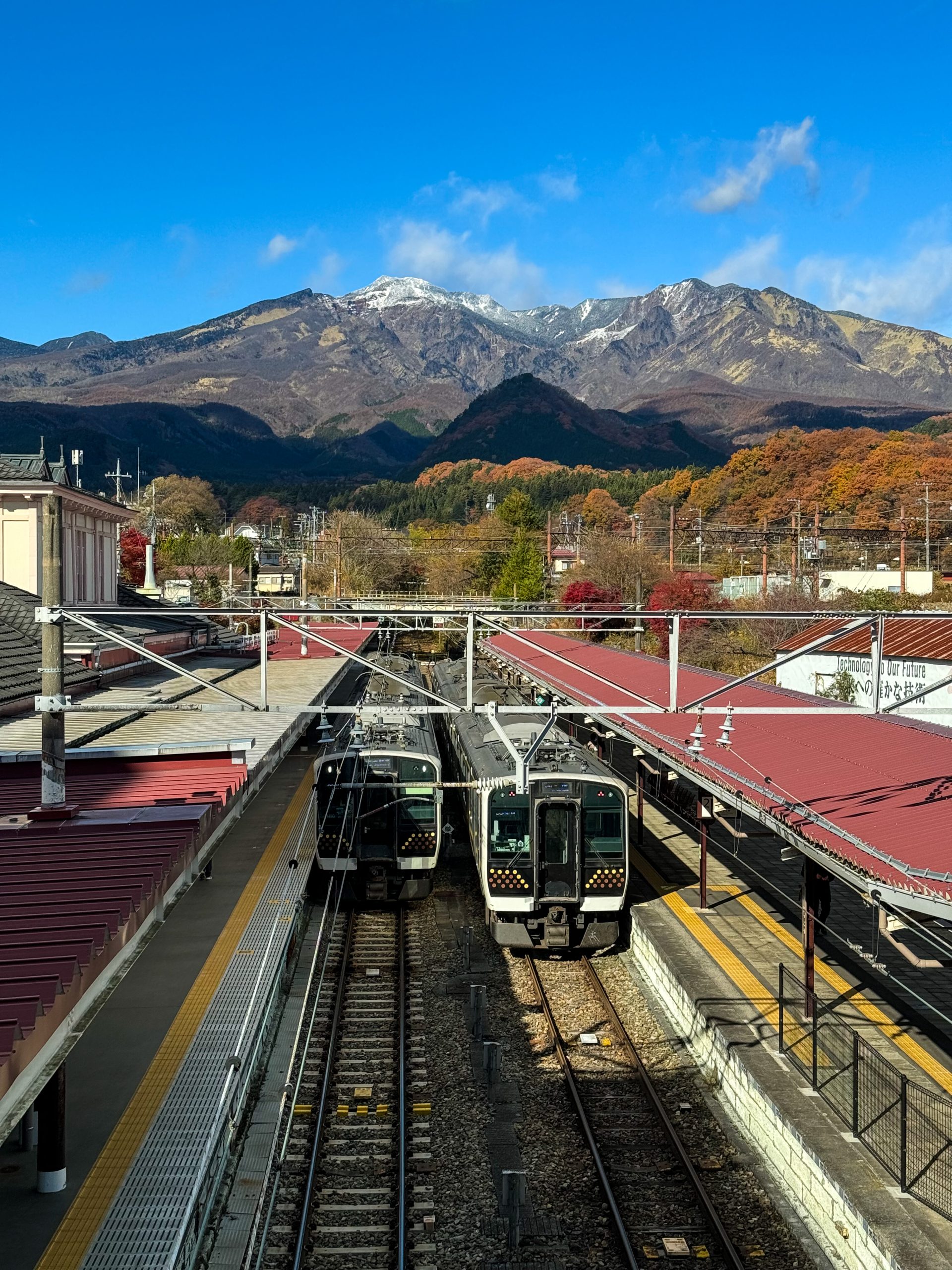
We made it to our 11:00 AM train from Shibuya to Hakone. The sky was perfectly clear, and as we moved away from the city, we got our first stunning view of Mt. Fuji framed in the window. The trip was officially off to a beautiful start.
Pro tip: Sit on the right side of the train for the journey from Tokyo toward Hakone to get the view of Mt. Fuji from your window.
The Magic of Tenzan Onsen, Hakone
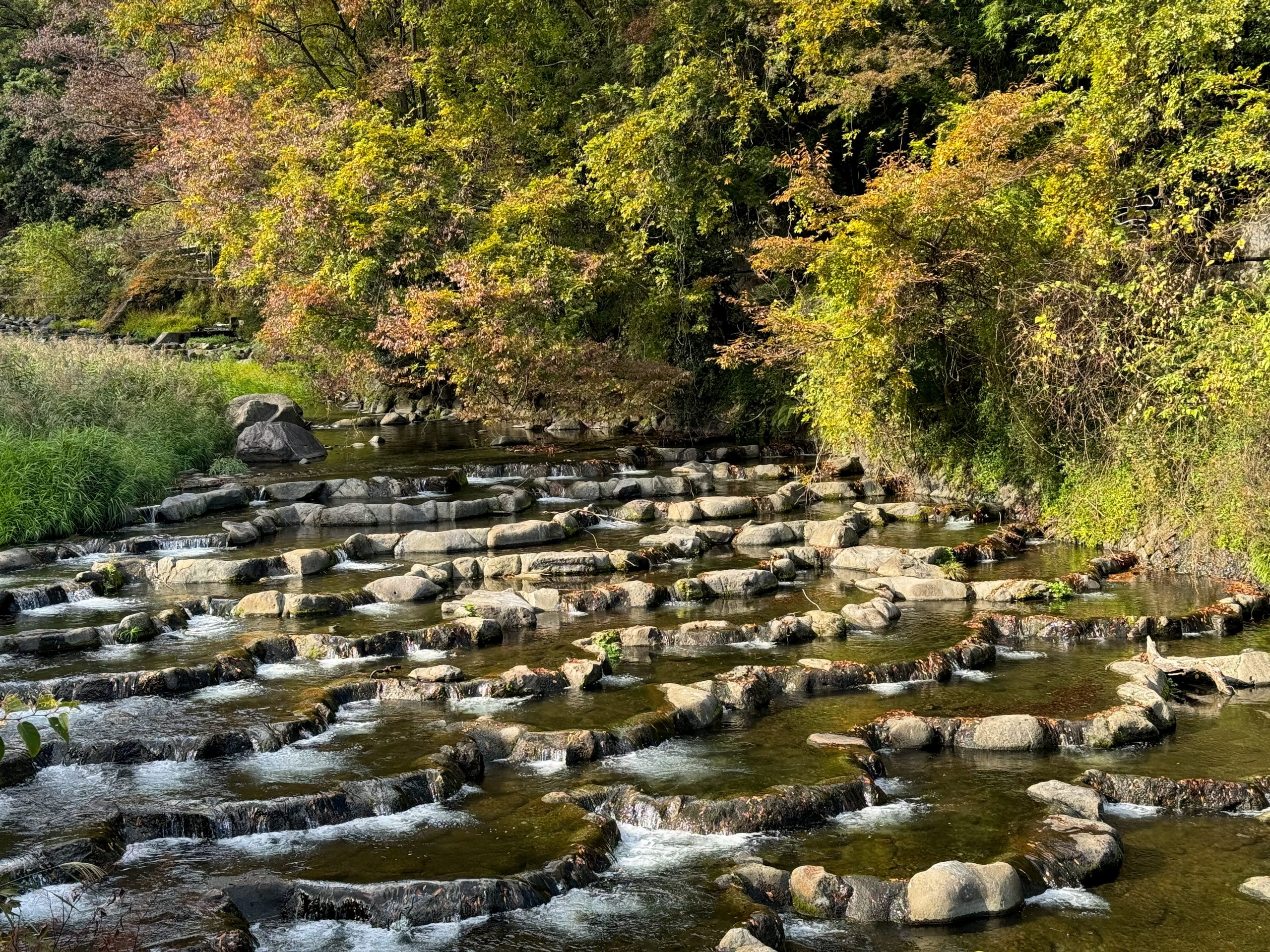
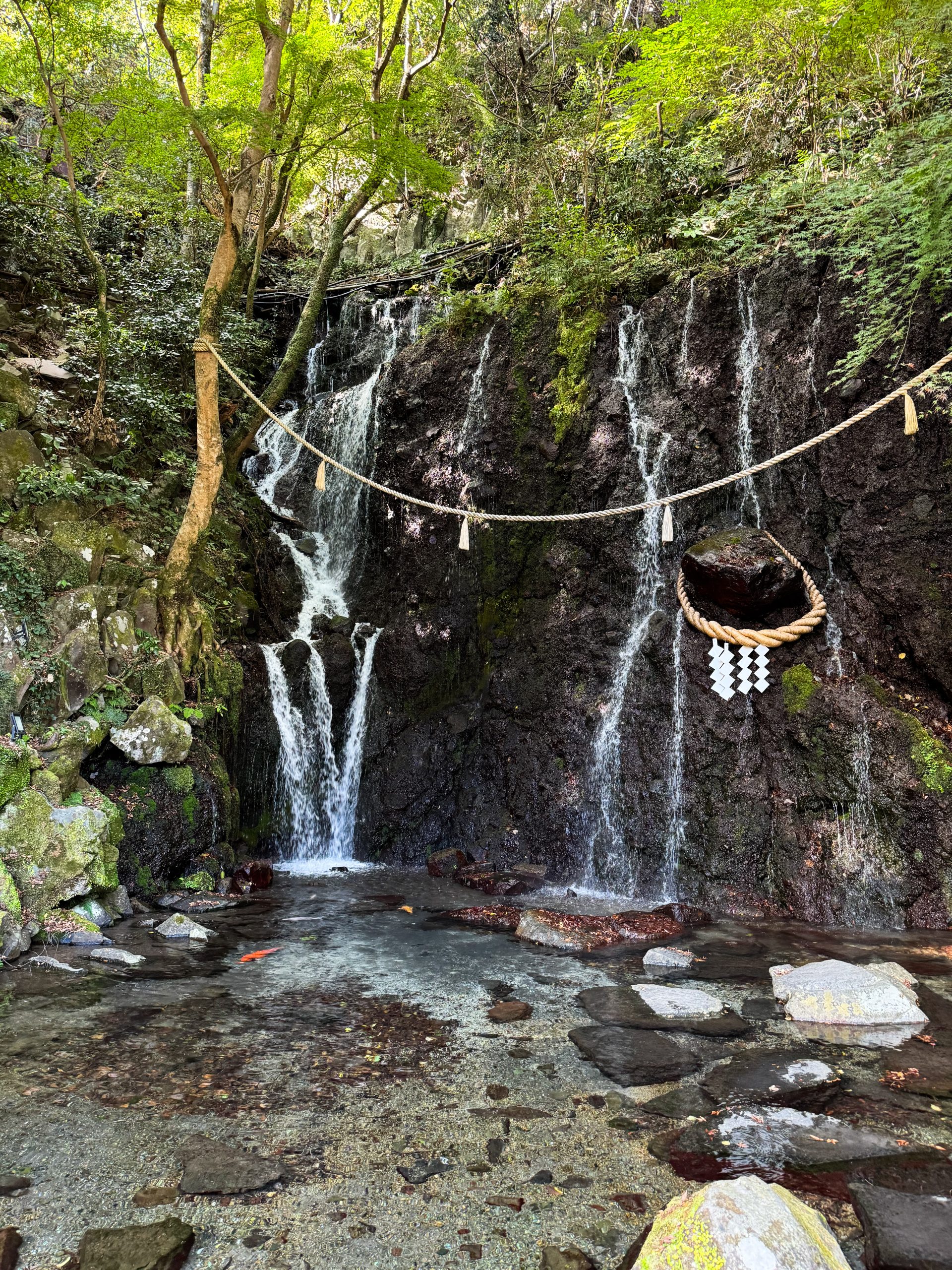
From the Hakone station, we took a scenic walk along the river to Tenzan Onsen, a quiet retreat tucked into the hills. This was our first time experiencing a traditional Japanese onsen, and I’ll be honest—I was incredibly anxious about the “no clothing” rule. Aditya and I went our separate ways (onsens are gender-separated), and I told him I’d meet him in the tatami mat resting room if I couldn’t handle it.
But the moment you step into that space, the fear evaporates. It doesn’t feel weird; it feels ancient and meditative. Soaking in those mineral-rich baths surrounded by the forest is an experience I cannot recommend enough for your first day. It resets your body and mind like nothing else.
Sunset at Lake Ashi
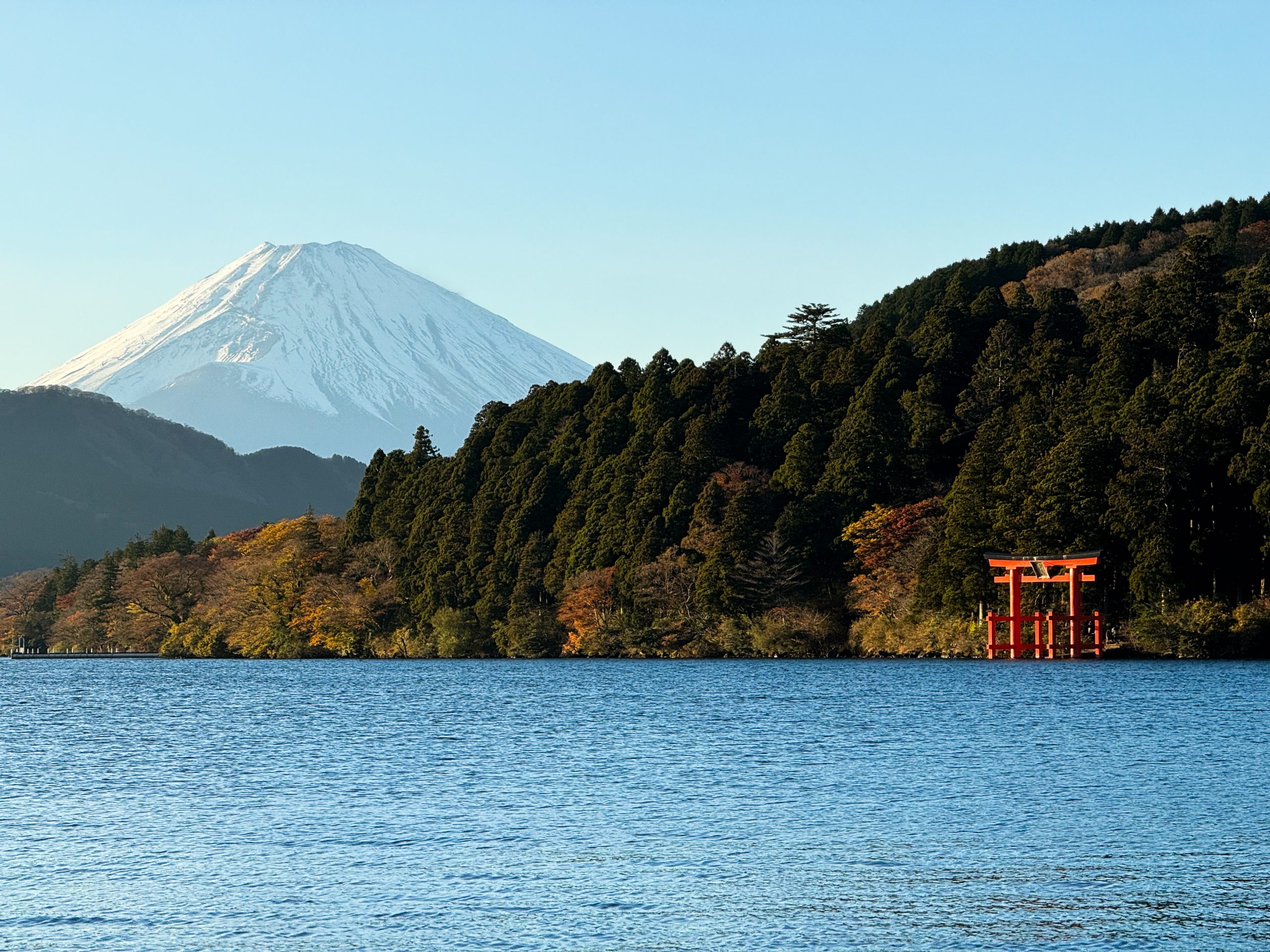
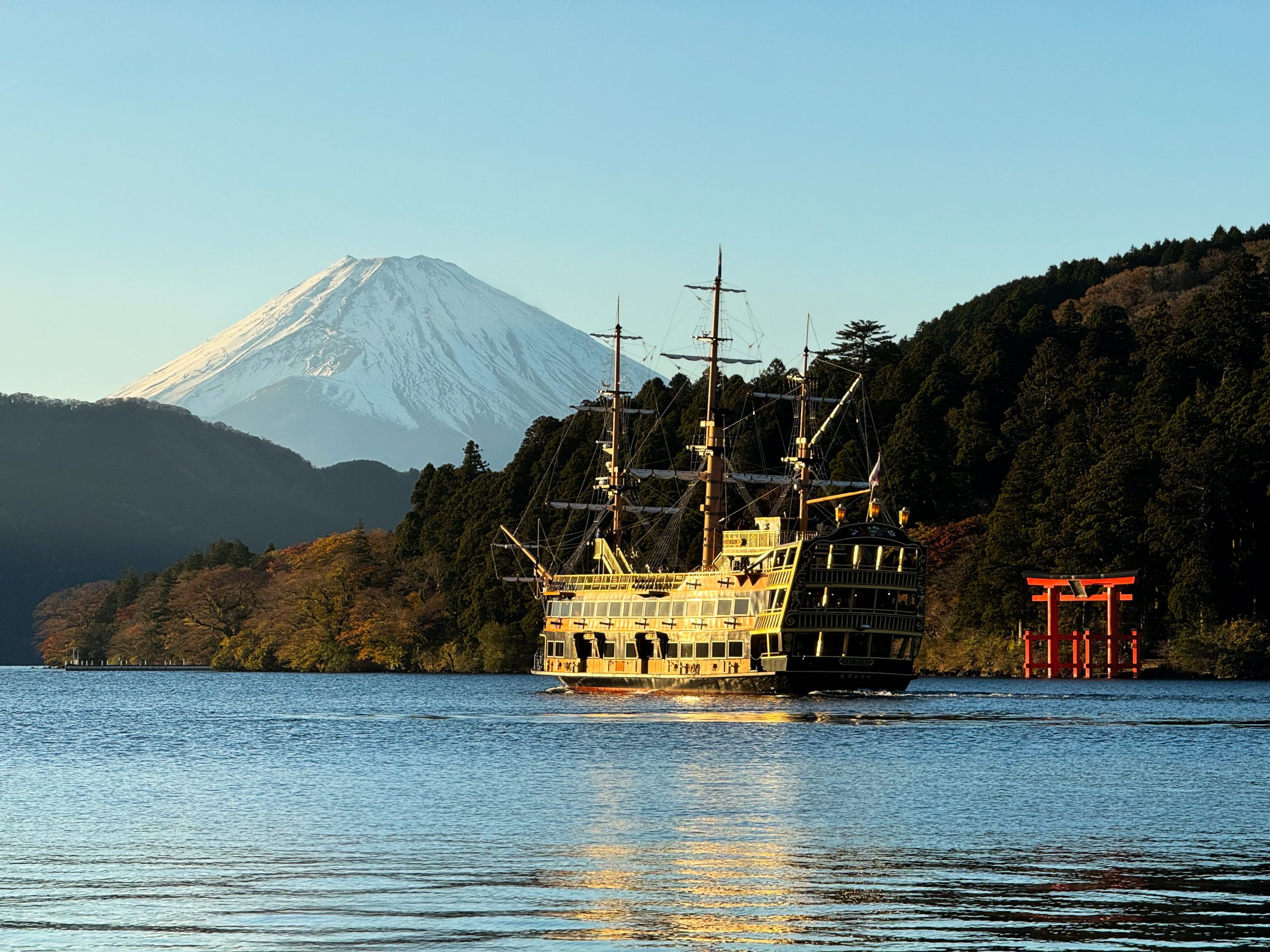
Later, we hopped a local bus to Lake Ashi. Watching the golden hour light illuminate the floating red Torii with Mt. Fuji towering in the background felt like standing inside a painting. After sunset, we headed back to Hakone-Yumoto station and feasted on Daigaku-imo (candied sweet potatoes) and picked up some of Hakone’s famous brown onsen eggs—boiled in the sulfuric hot springs—to have as a snack later.
Pro Tip: Before you leave Tokyo, make sure to get a Suica card (or the digital version on your phone). You can load it with yen and just “tap and go” for buses and trains. It saves you the headache of carrying exact change or fumbling with paper tickets every time you board.
We ended our first day boarding a train to Nagoya, where we crashed at the Via Inn, Nagoya near the station to prepare for the mountain trails ahead the next day.
Day 2-3: The Nakasendo Trail (A Step Back in Time)
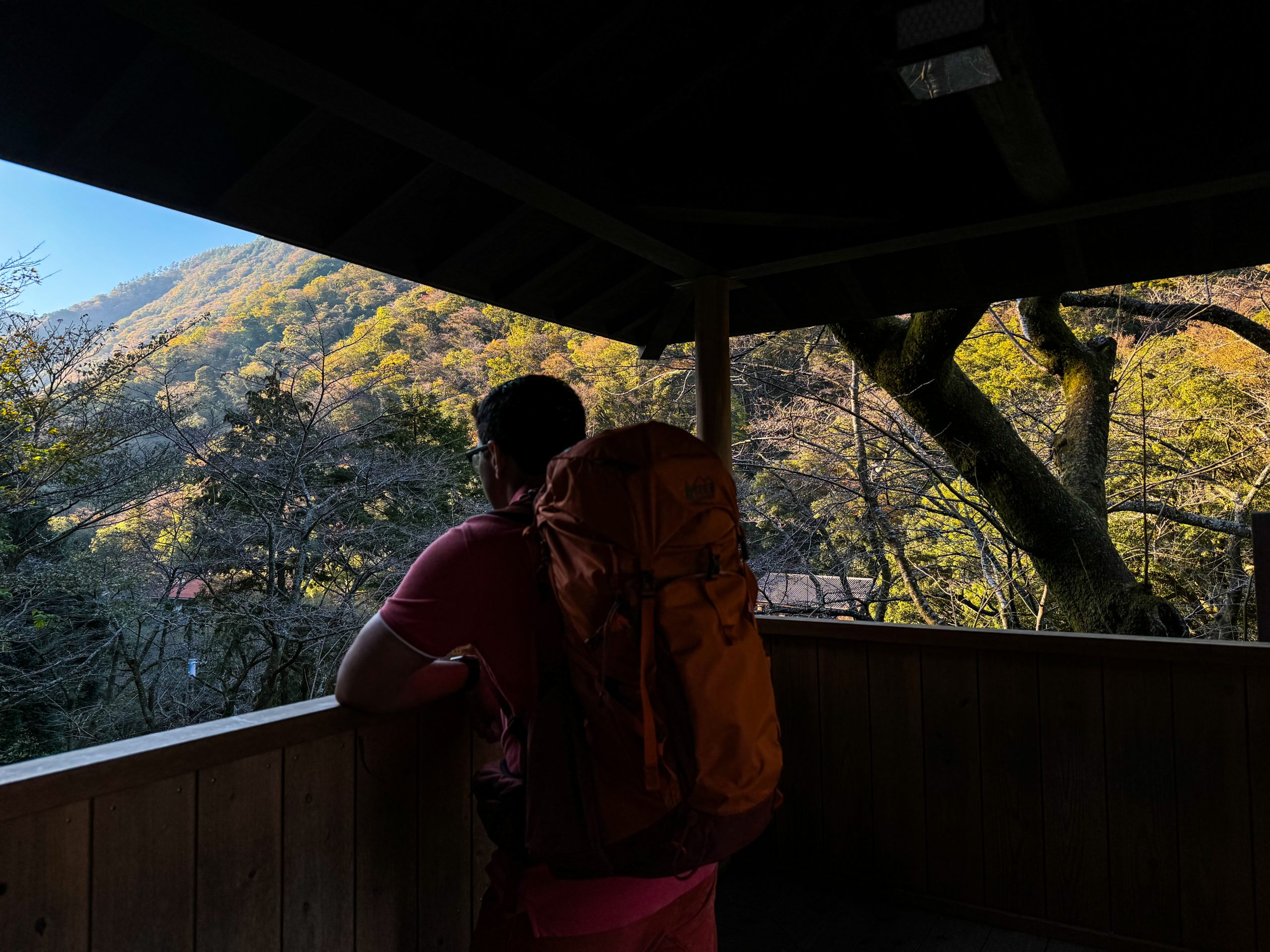
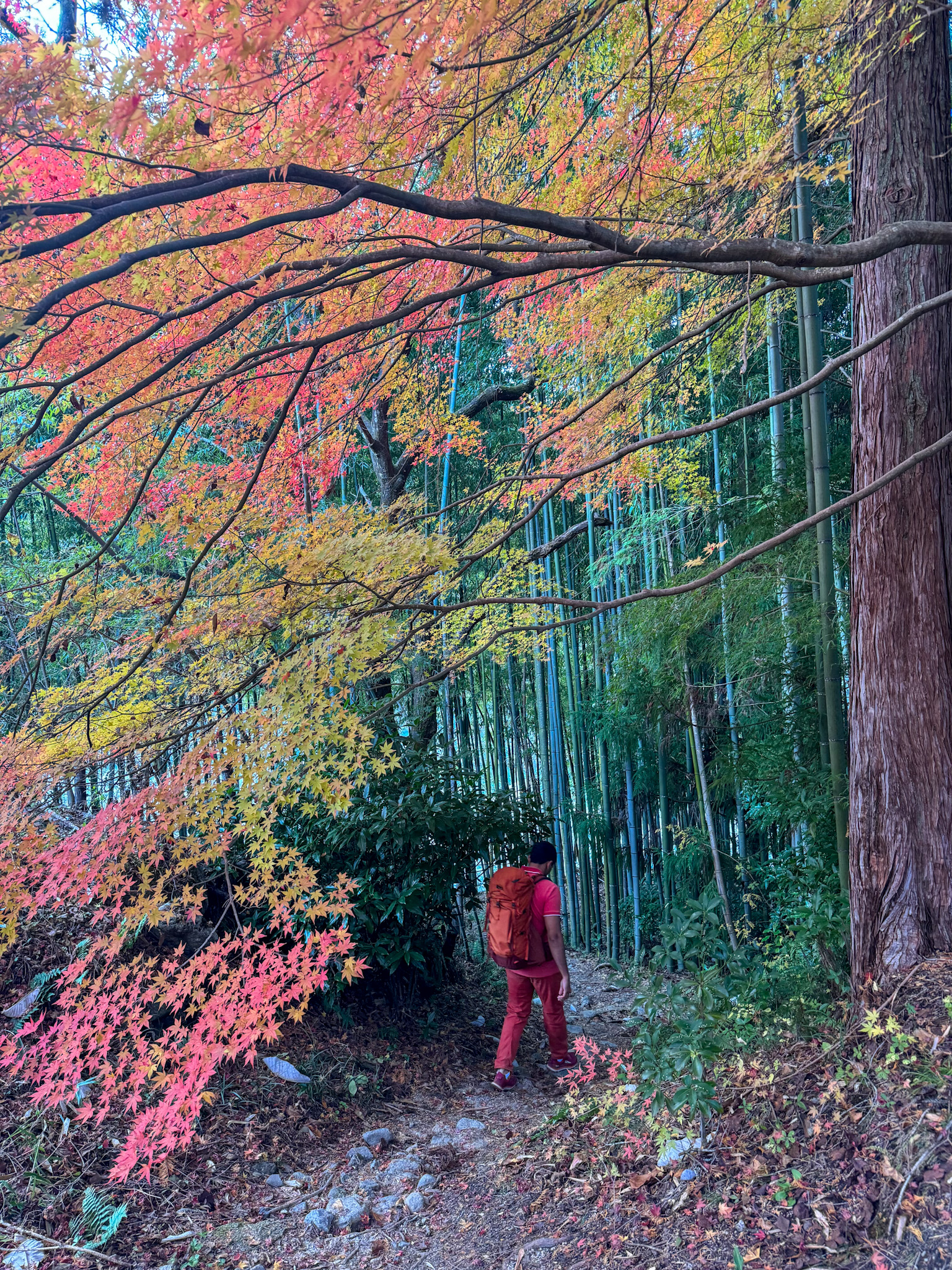
This was, hands down, the absolute highlight of our entire trip. If you want to feel like you’ve stepped directly into a historical drama, the Nakasendo is where you’ll find that magic. It’s an ancient post road that once connected Kyoto to Tokyo, and today, parts of it remain perfectly preserved, winding through cedar forests, misty peaks and quiet towns.
The Day at a Glance
- Day 2 Morning: Brunch at Magome-ya
- Day 2 Afternoon-Evening: Hike the Nakasendo from Magome to Tsumago
- Day 2 Evening: Stay in Tsumago
- Day 3 Morning-Evening: Hike Nakasendo via Tsumago, Nagiso, Nojiri
- Day 3 Evening: Dinner, Stay at Kiso Fukushima
The Ultimate “Slow Travel” Experience
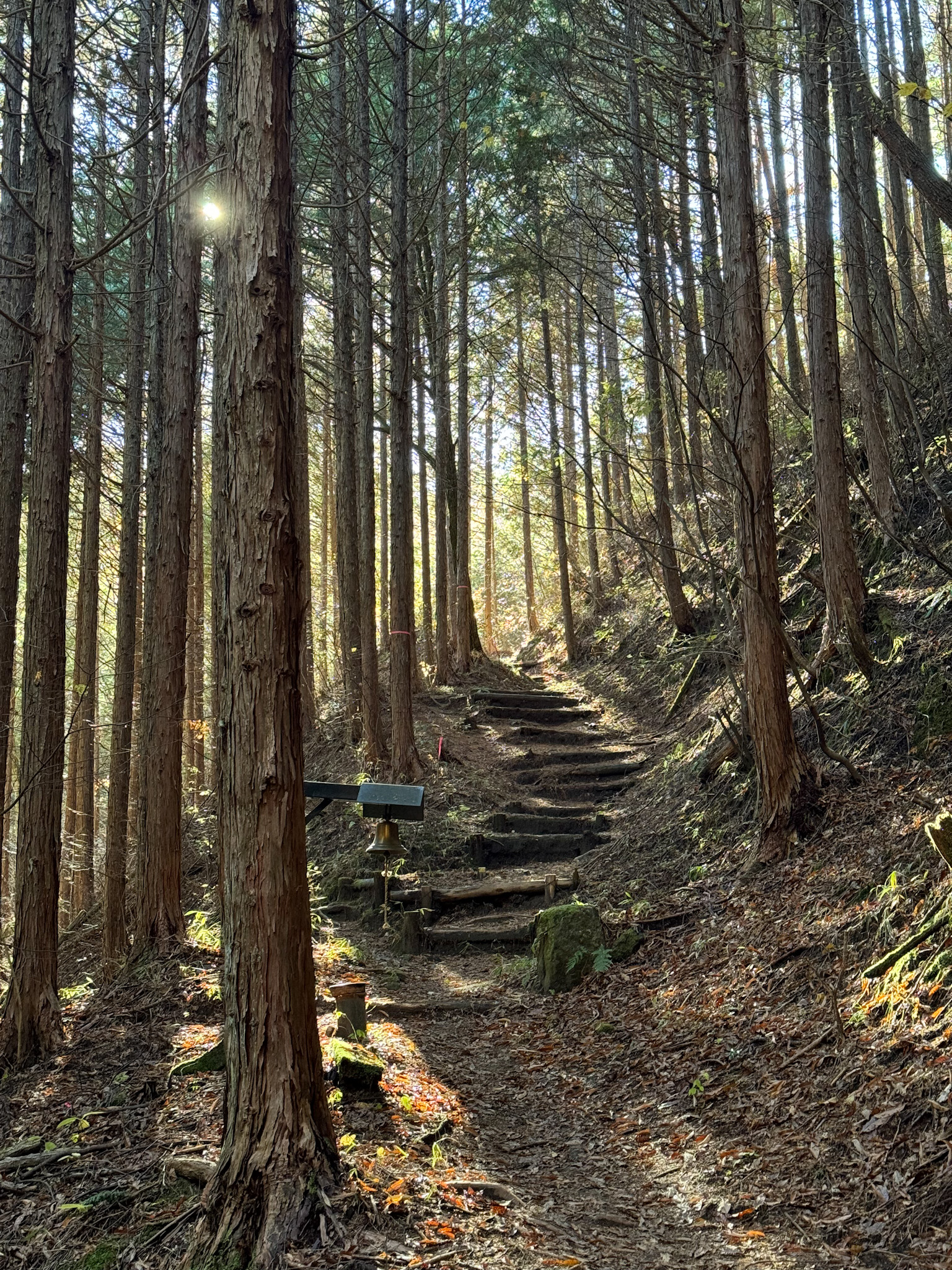
We spent two days fully immersed here, hiking between the beautifully preserved post towns of Magome and Tsumago, and continuing on toward Nojiri and Kiso Fukushima. There is a profound, meditative silence in these mountains that we didn’t find anywhere else during the trip.
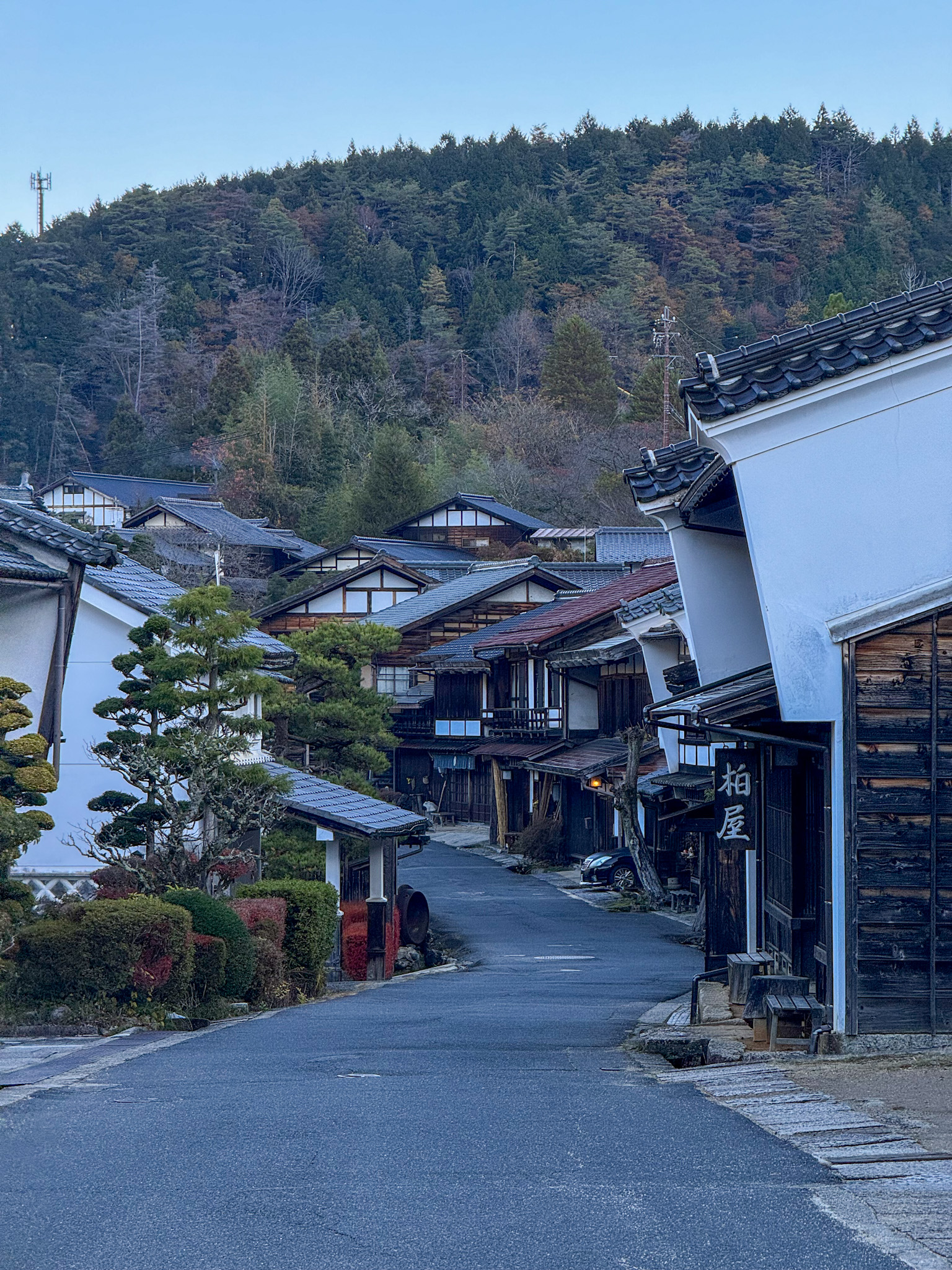
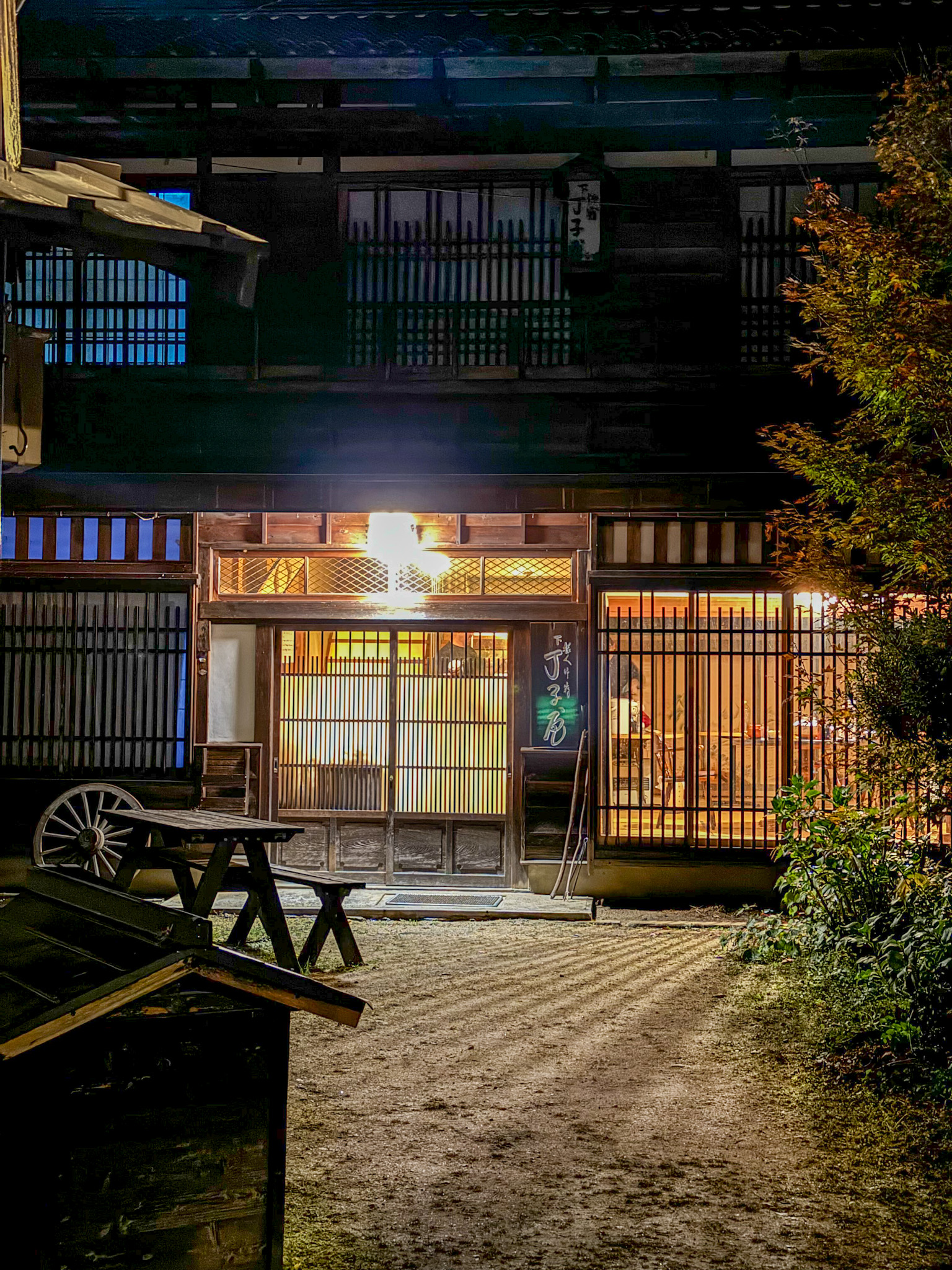
It was also during this leg of the journey that we experienced my absolute favorite stay of the entire trip. We stayed at a traditional guesthouse in Tsumago that felt like a total time capsule—think sliding paper doors, tatami mats, and an incredible multi-course local dinner. You can find the exact spot we stayed at in my Nakasendo guide here and I cannot recommend it enough if you want a truly local experience.
The beauty of the Nakasendo is that it’s surprisingly flexible.
- The Day Hike: If you aren’t looking for a multi-day trek, you can easily do the iconic 5-mile walk from Magome to Tsumago. It’s well-marked, beginner-friendly, and offers some of the most picturesque views in the country.
- The Day Trip: You can even visit Magome as a quick day trip from Nagoya just to soak in the atmosphere and grab some local chestnut ice cream.
I’ve written a deep-dive Self-Guided Nakasendo Trail Itinerary that breaks down every detail—from how to ship your luggage between towns to the best local stays to book. I promise, you don’t need a guided tour to experience this; it’s completely doable on your own.
The Alternative
I know that mountain hiking isn’t for everyone. If you’d rather trade the trails for something a bit more accessible but equally stunning, consider heading to Shirakawa-go to see the iconic thatched-roof farmhouses or Lake Kawaguchiko for those postcard-perfect views of Mt. Fuji over the water. These spots are definitely more tourist-friendly and have more infrastructure, but they still deliver that unmistakable Japan experience.
Day 4: Kiso Hirasawa
We wrapped up our time on the Nakasendo trail and headed to the quiet town of Kiso Hirasawa, staying at a beautiful ryokan called Kisoji no Yada Iwaya. This place was exactly what we needed after days of hiking—it had its own onsen, and by this point in the trip, we were fully converted to the “onsen-every-day” lifestyle.
The Day at a Glance
- Morning: Breakfast at Kisoji No Yada Iwaya
- Afternoon: Sake tasting at Nakanorisan, Kiso Fukushima
- Afternoon: Lacquerware shopping in Narai
- Evening: Visit Matsumoto Castle
- Night: Stay at Do-C Ebisu, Tokyo
A Heartfelt Farewell
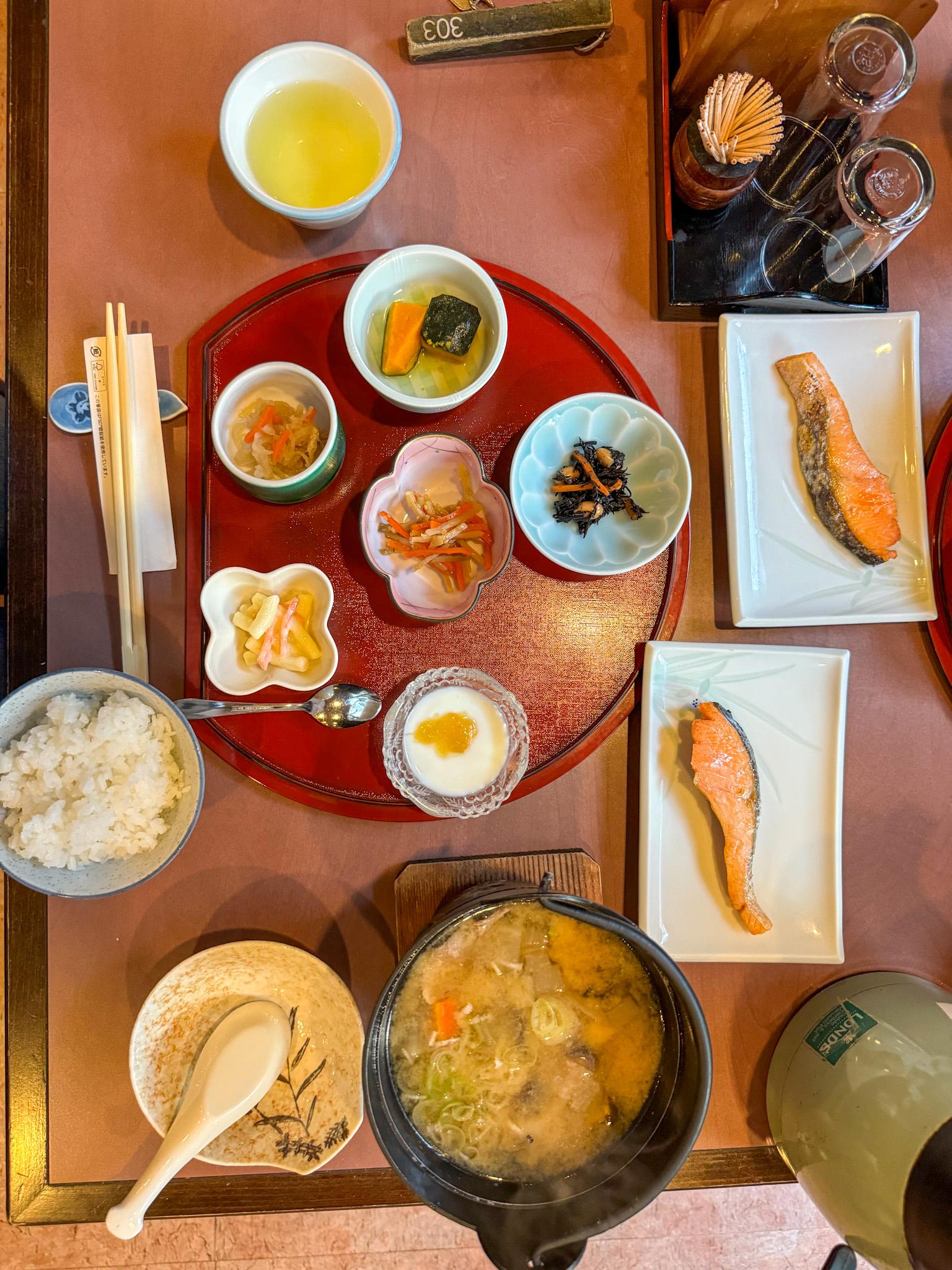
The hospitality in the countryside is something that truly sticks with you. After a fantastic, slow breakfast that we lingered over for most of the morning, our hostess gifted us a couple of hand-folded origami cranes to remember our stay. She even stood outside waving goodbye until we were completely out of sight. It’s those small, intentional moments that make Japan feel so different from anywhere else.
We spent our morning wandering through the town and eventually found ourselves at Nakanorisan, a local sake brewery. If you have any interest in sake, doing a tasting at a traditional brewery like this is a must. The flavors are so much more complex than what you typically find at home, and the history behind the craft is fascinating.
Second half of the day – lacquerware and the castle
Because we had to head back to Tokyo to handle our luggage locker situation, we had to cut our day short. However, if you have your logistics sorted, here is what I recommend.
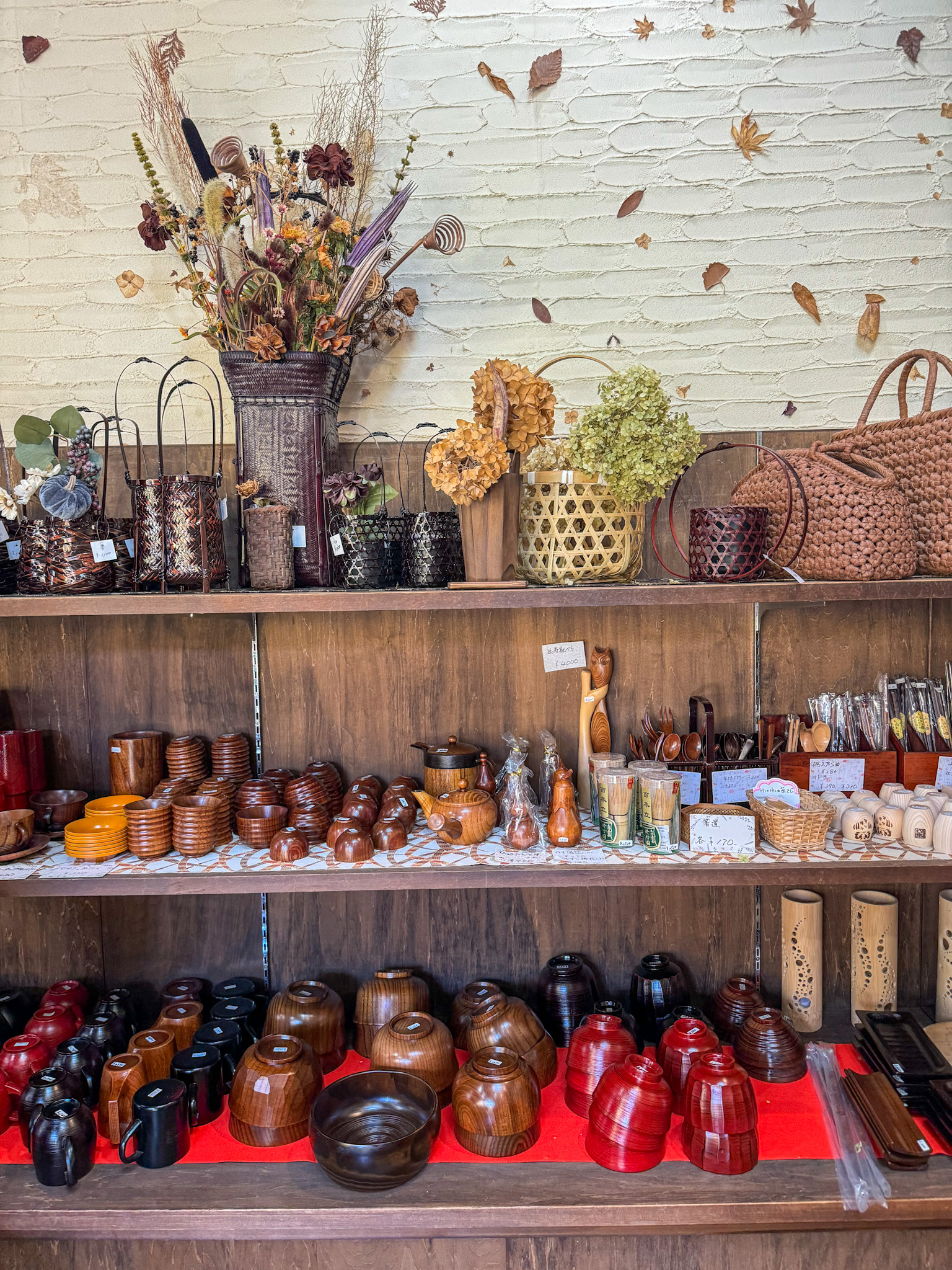
- Narai-juku & Lacquerware: Head to the nearby post town of Narai. It is famous for its stunning lacquerware, and I have a huge regret about this—we thought we’d just buy similar pieces in Tokyo later, but it’s not the same. The craftsmanship in the Kiso Valley is unique and incredibly beautiful. If you see something you love here, buy it!
- Matsumoto Castle: If you have the energy, take a quick detour to see Matsumoto Castle. It’s one of Japan’s premier historic castles (known as the “Crow Castle” for its black exterior) and is one of the few remaining original structures in the country.
After soaking in the last of the mountain air, it’s time to hop on a train and transition to the busy Tokyo.
Stay in Tokyo
We arrived back in Tokyo with one thing on our minds: the lockers. We held our breath as we approached the row in Shinjuku, and luckily, our luggage was exactly where we left it. A huge “thank god” moment for our first major logistical gamble.
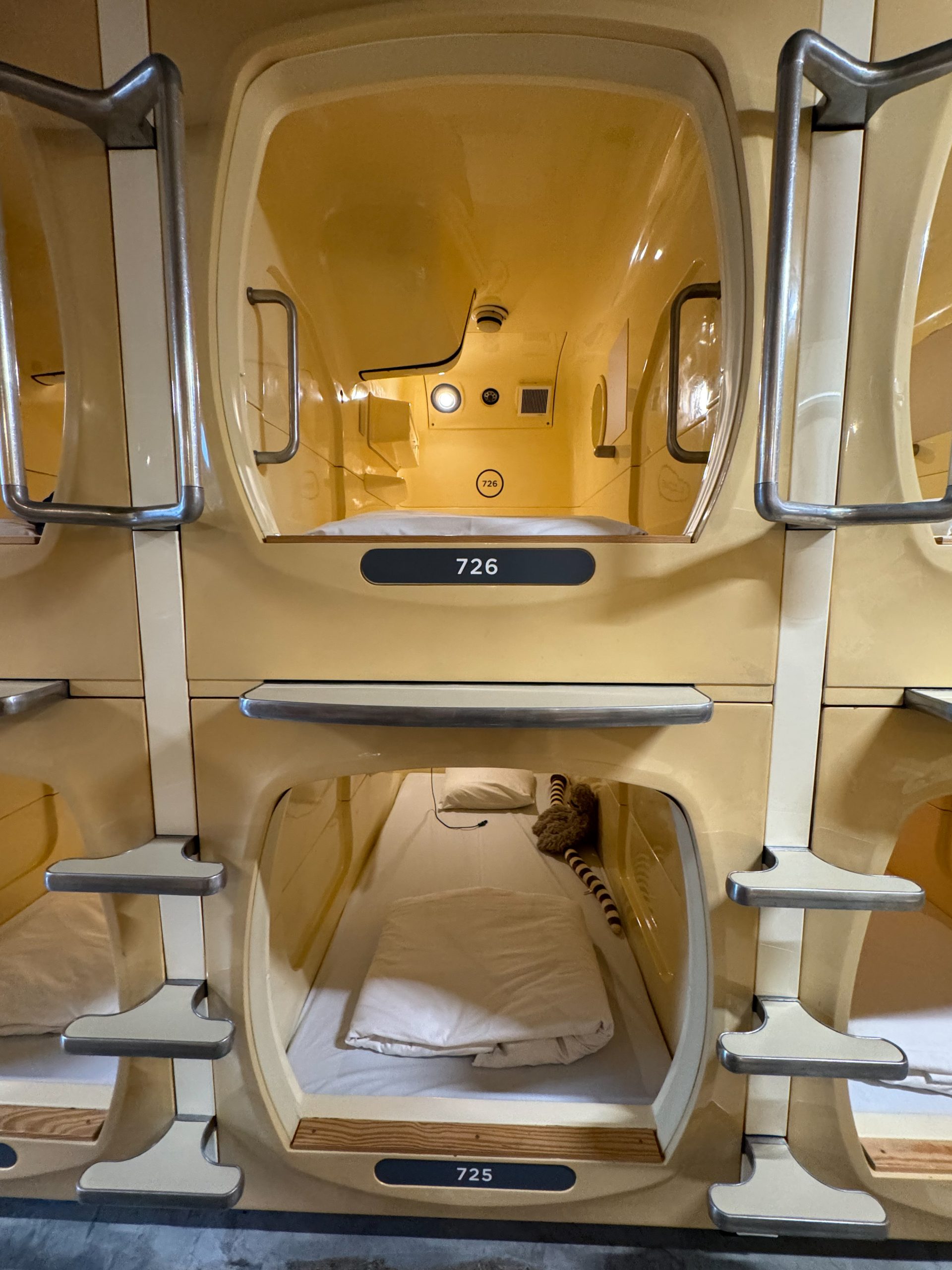
Since Tokyo hotels can be incredibly pricey, we stayed at Do-C Ebisu for a quintessential, budget-friendly experience. It was a sleek, gender-separated capsule hotel that even featured its own sauna. If you’re looking to save on your budget while trying something uniquely Japanese, this is the way to do it. Plus, Ebisu is a fantastic, buzzy neighborhood that feels a bit more local than the main tourist hubs.
Day 5: Tokyo
Tokyo is a high-energy whirlwind that involves a lot of walking. I had a massive list of bookmarks from other travelers, and I was determined to see if the hype lived up to the reality. A lot of the fun in this city is just about walking, stumbling upon something cool, and letting your curiosity lead the way.
The Day at a Glance
- Morning: Harajuku
- Afternoon: Lunch at Ichiran Ramen
- Later afternoon/evening: Shibuya Scramble
- Evening: Dinner at Omoide Okocho
The Harajuku Hype
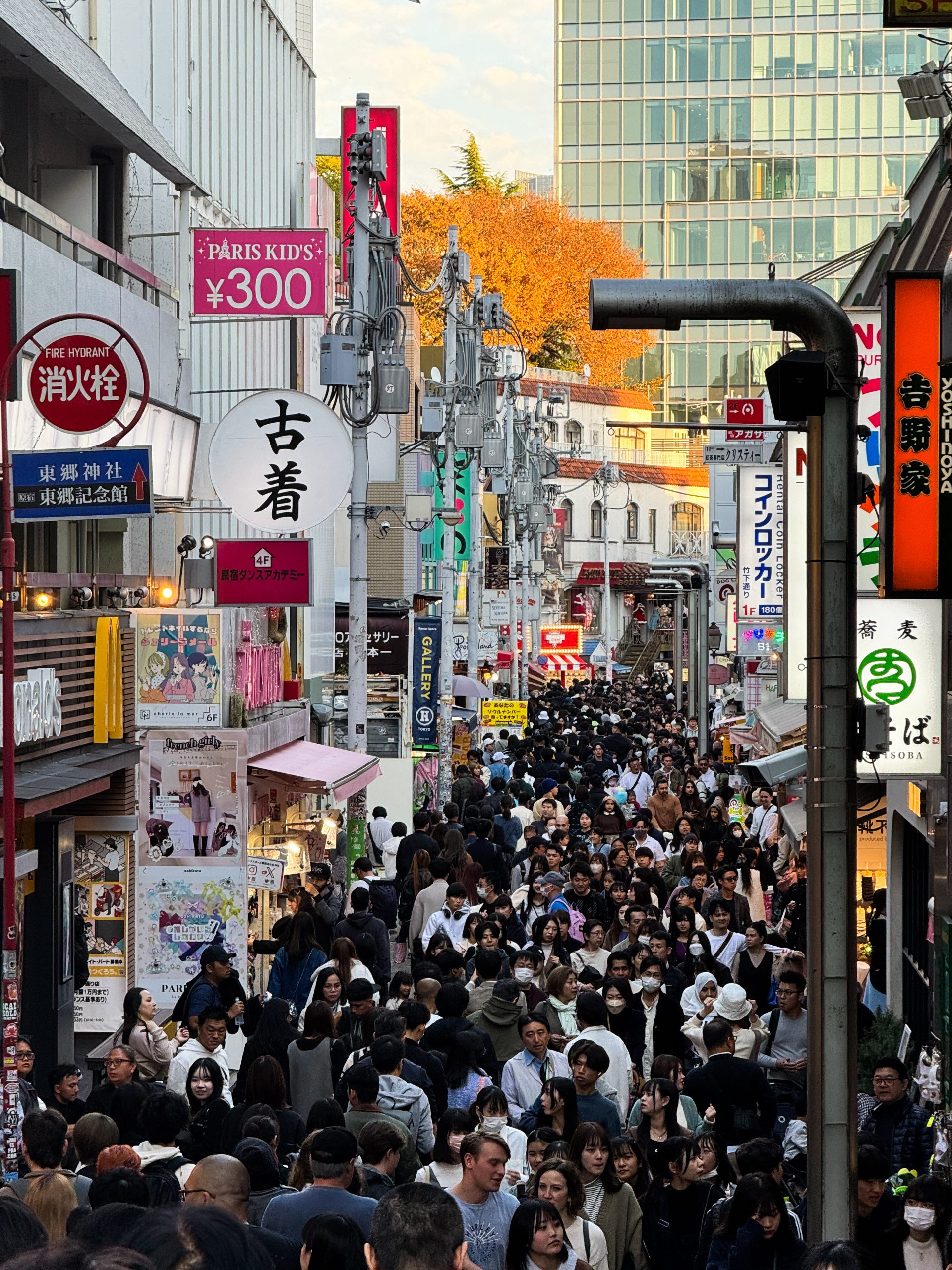
We started our morning on the famous Takeshita Dori street in Harajuku. We did the whole “tourist” circuit: the rainbow toast, the boba, and the candied fruit. To be honest? After the incredible local food we’d had in the mountains, these felt a little underwhelming. It’s a fun, neon-colored spectacle to see once, but it definitely felt more like a photo op than a culinary highlight.
The Solo Ramen Experience
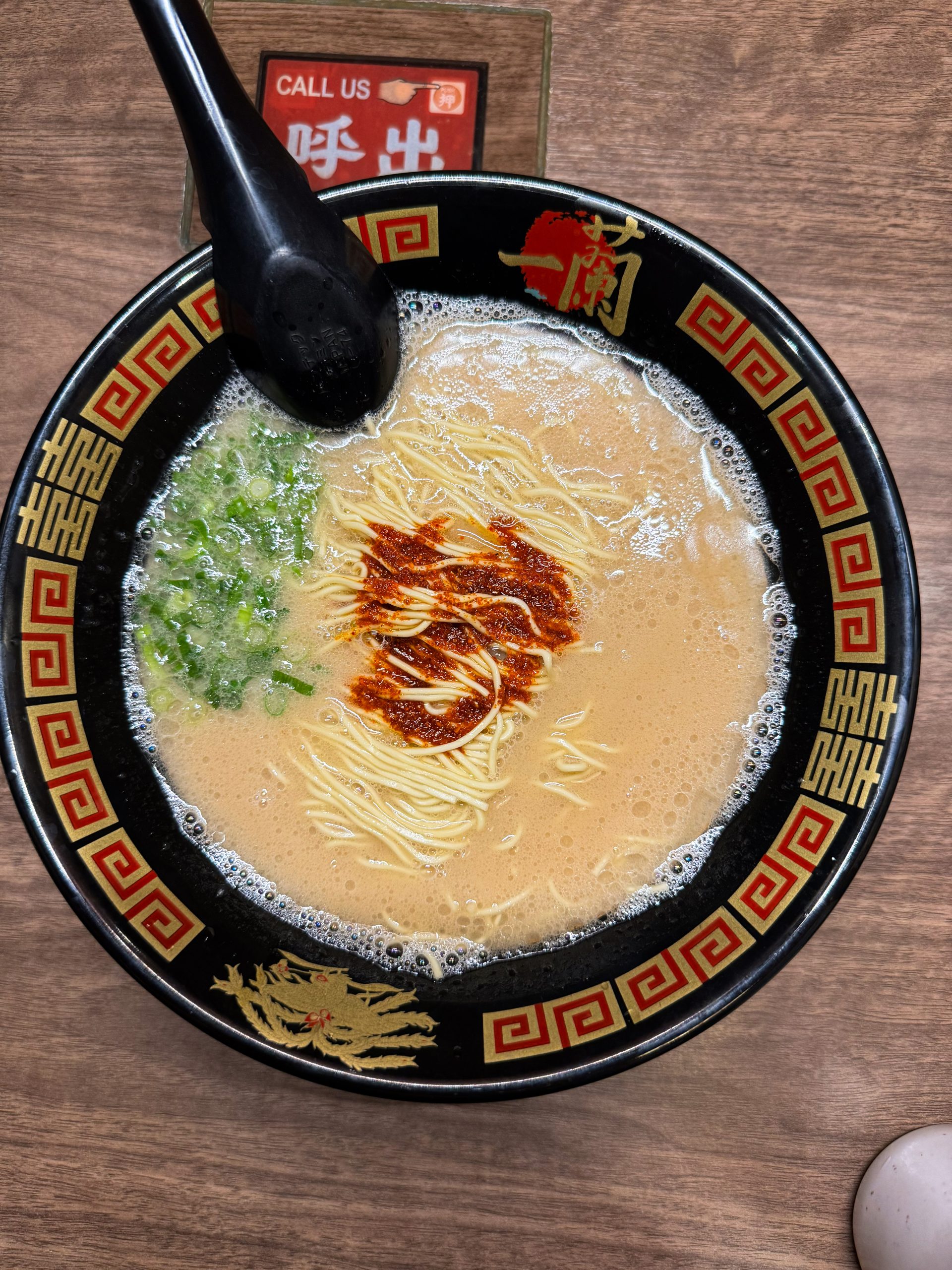
For lunch, we lined up at Ichiran Ramen, and this is one recommendation I actually stand by. You sit in individual booths, shielded from the people next to you, and eat your ramen in complete, focused silence. It is a quintessential Japanese experience that forces you to truly appreciate the bowl in front of you.
The Shibuya Scramble
Next, we headed to the Shibuya Crossing. Walking across that massive intersection with hundreds of other people is a “must-experience” moment that truly captures the organized chaos of Tokyo.
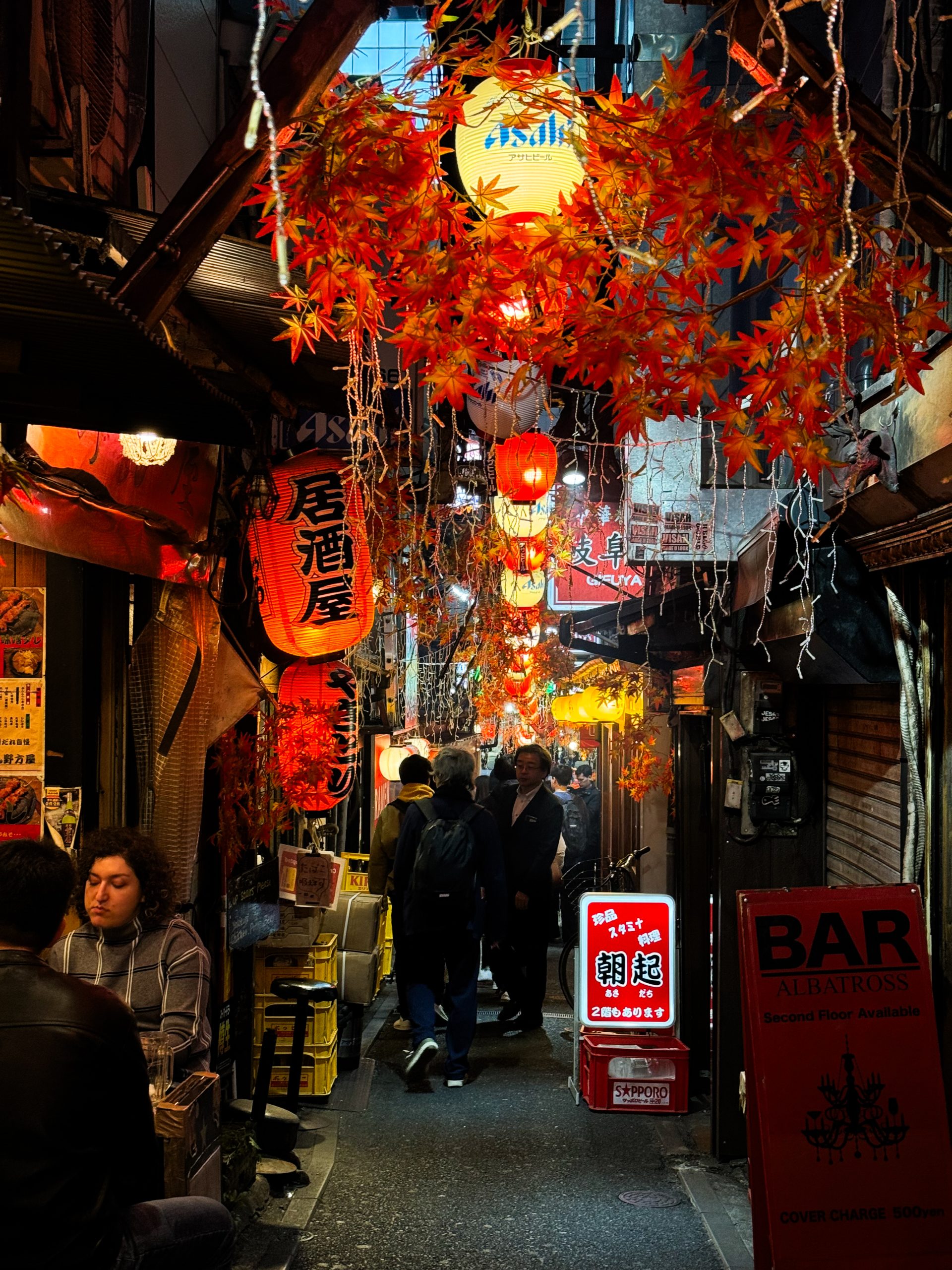
Ending the Day at Omoide Yokocho
We wrapped up our night at the popular Omoide Yokocho (often called “Memory Lane”). It’s a narrow alleyway packed with tiny, smoke-filled stalls. Most of the shops specialize in meat skewers, so we grabbed a few chicken yakitori sticks to soak in the buzzy atmosphere. Since we wanted a more substantial meal, we found a cozy curry shop at the end of the street to finish the night.
Day 6: Day trip to Nikko
While most people love the city’s energy, we found ourselves craving more of the raw, authentic calm of the countryside in just 24 hours of spending time in Tokyo. If you want that rural soul without the fear of being “the only lost tourist,” Nikko is your answer. It offers a taste of deep mountain peace with enough infrastructure to make exploring easy.
The Day at a Glance
- Morning: Eki-bento breakfast
- Afternoon: Shinkyo Bridge and Toshugu Shrine, Nikko
- Lunch at Asaya Rest house, Nikko
- Later afternoon: Kegon Falls
- Evening: Lake Chuzenji
- Night: Dinner in Tokyo
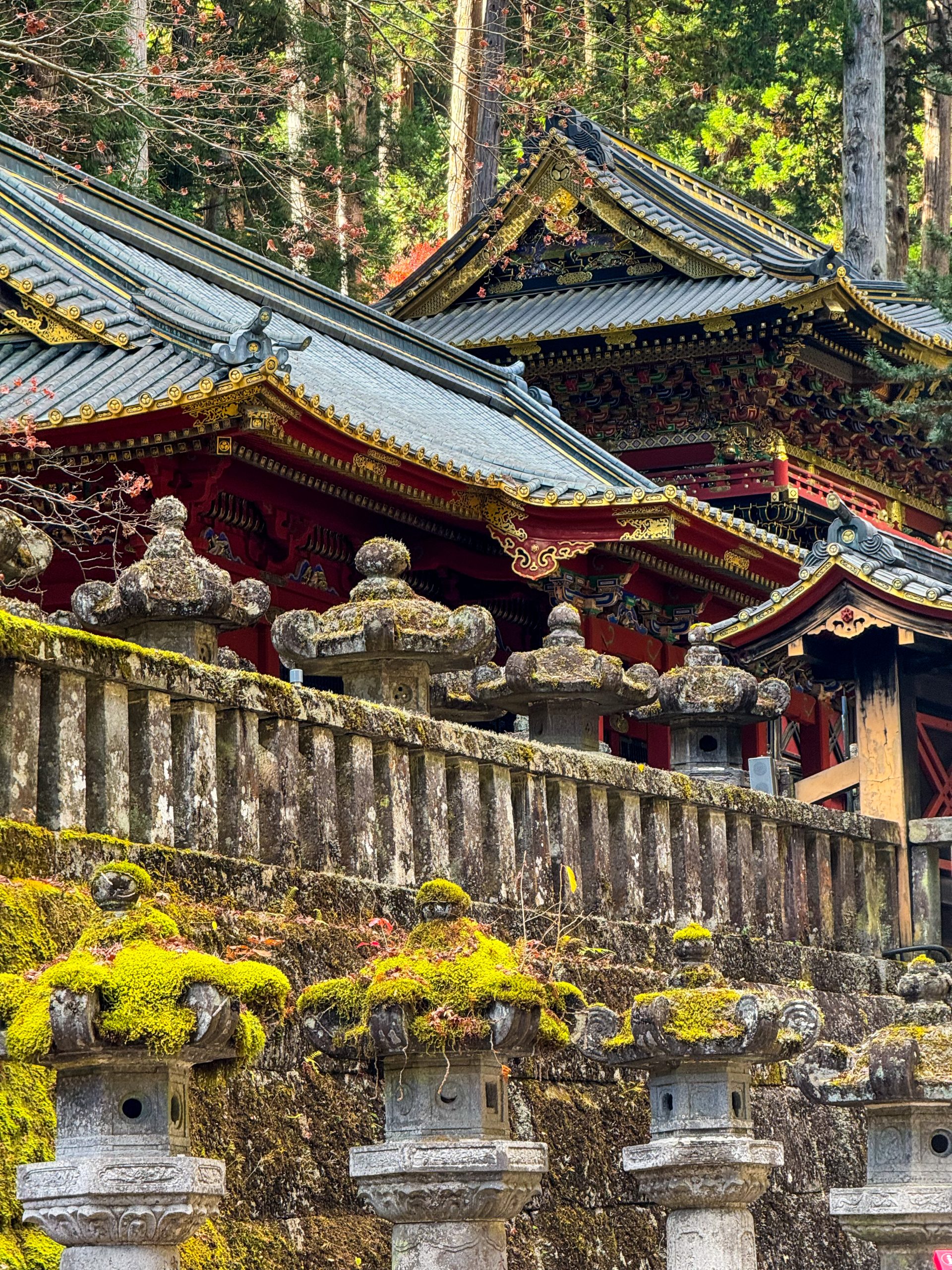
Shrines and Yuba
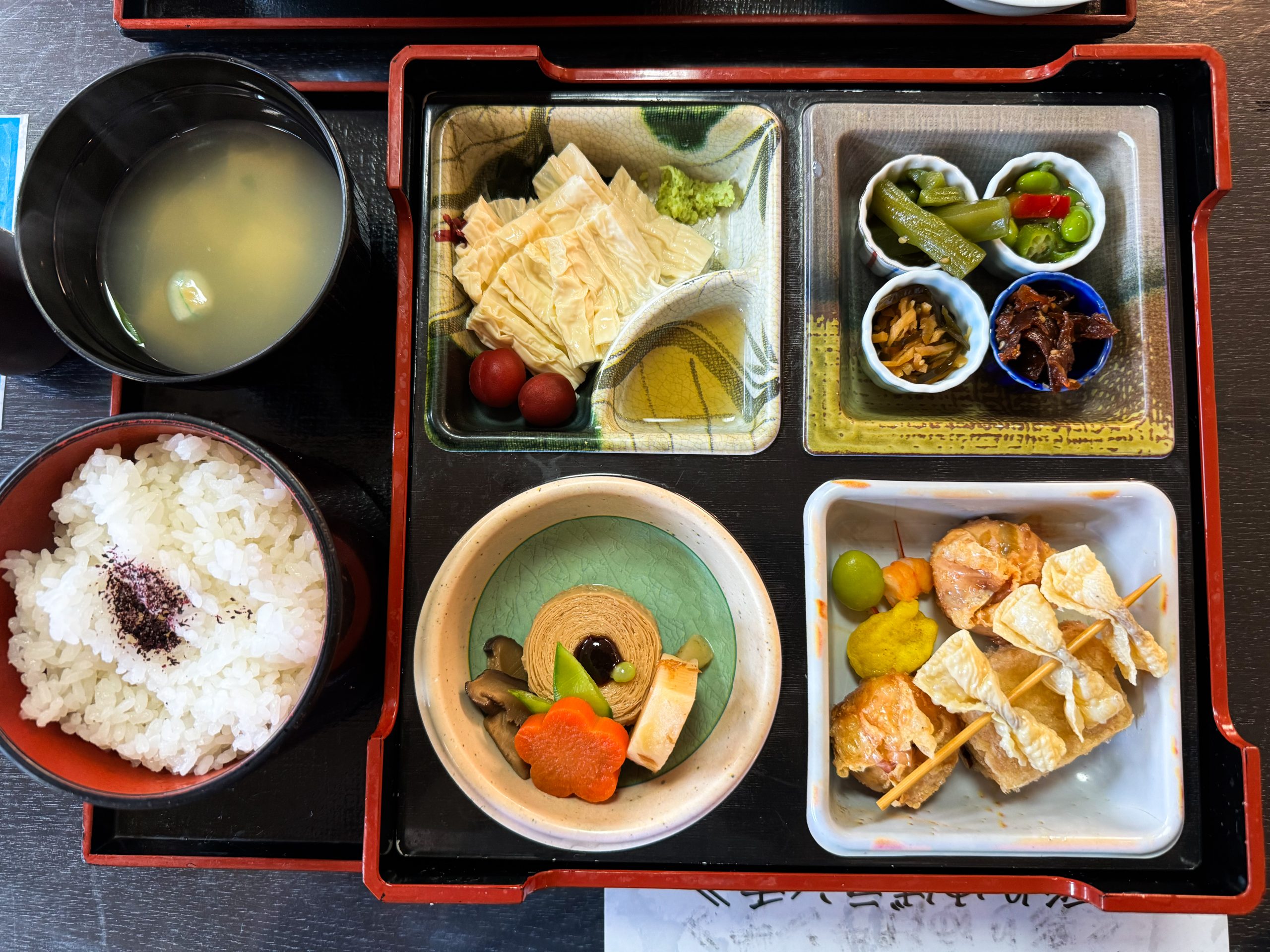
We started our morning by grabbing ekibens (train bento boxes) before boarding the bullet train. Once there, we visited the iconic Shinkyo Bridge and the stunning Toshogu Shrine. For lunch, we headed to Asaya Resthouse for a Yuba Bento. This area is world-famous for Yuba (tofu skin), and it was the perfect, light fuel for a day of walking.
Waterfalls and Warm Dango
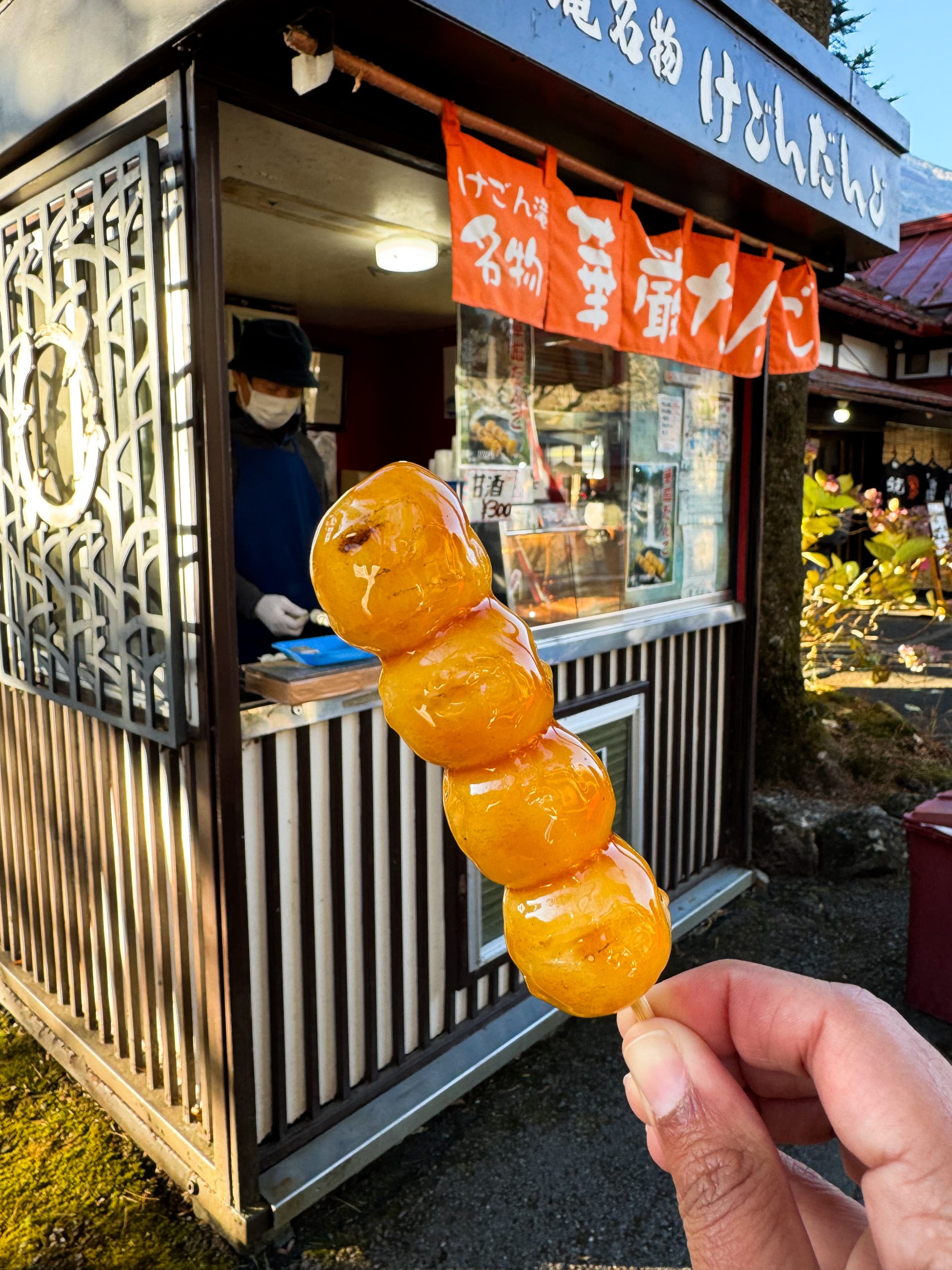
We then headed deeper into the hills to see the massive Kegon Falls and Lake Chuzenji. The weather in Nikko was significantly colder than Tokyo, so finding a stall selling warm, grilled dango by the waterfalls felt like a lifesaver. There is nothing like hot, chewy mochi in the freezing mountain air.
The Tokyo Standing Sushi
Back in Tokyo for dinner, we tried a popular standing sushi restaurant in Shinjuku. We stood in line for nearly two hours, and while the chefs were a delight, the food fell short compared to the local gems we’d found earlier in the trip. It was another reminder that in Japan, the best meals often happen when you stop following the hashtags.
Day 7: Kyoto (The City of Ten Thousand Shrines)
Heading south to Kyoto felt like entering the spiritual heart of the country. If Tokyo is the brain of Japan, Kyoto is its soul. We spent our days here enjoying the stunning colors of the season. We stayed at the Dozen Ryokan in Kyoto, it was quite comfortable though small and was centrally located.
The Day at a Glance
- Morning: Arrive in Kyoto
- Afternoon: Visit Eikando-ji
- Evening: Fushimi Inari Taisha
- Night: Dinner from McDonalds
The Colors of Eikando
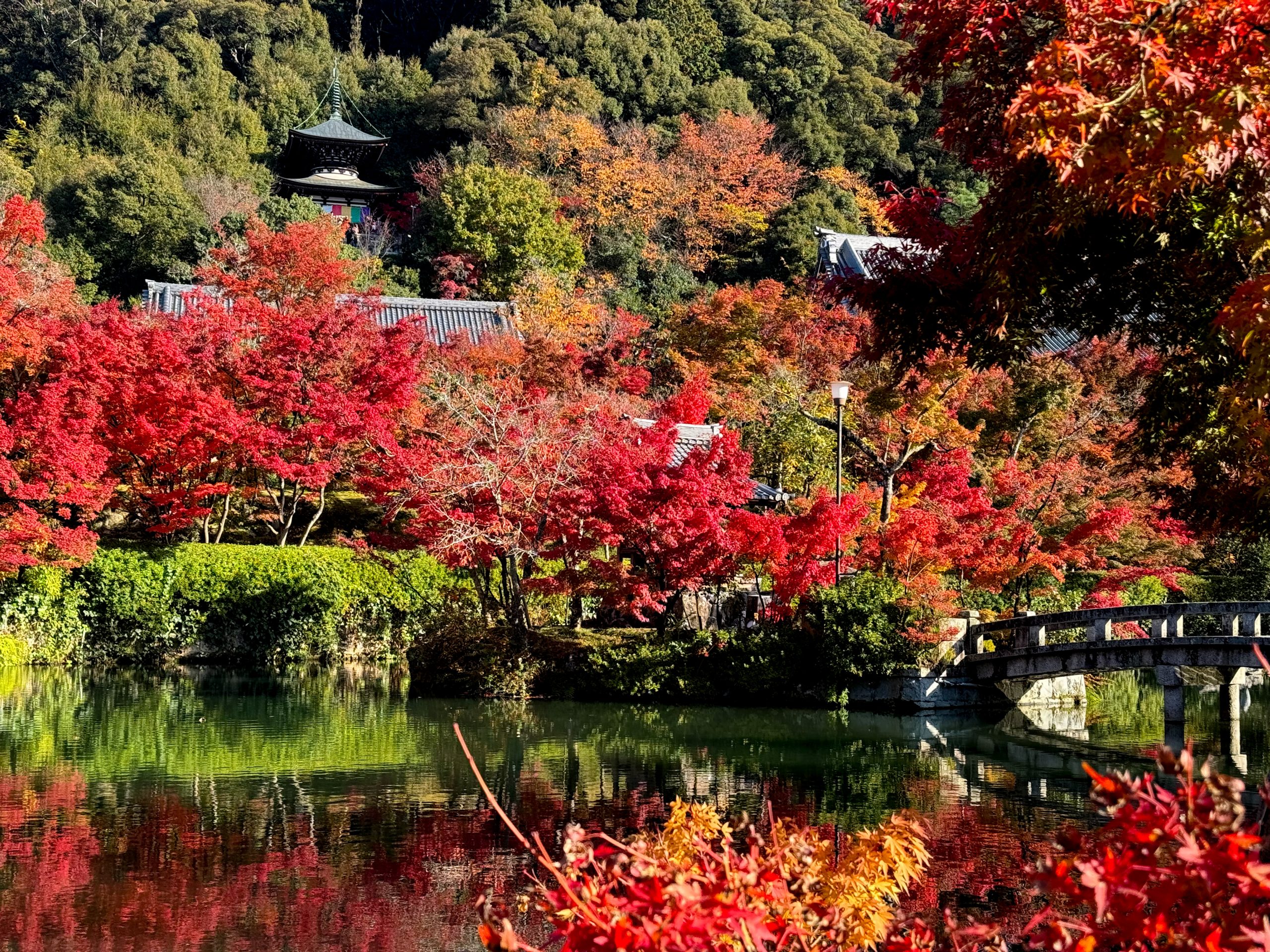
Since we were there during the fall, we headed straight to Eikando Temple. It is widely considered one of the best spots in Kyoto for autumn foliage, and it did not disappoint. The vibrant red and orange leaves reflecting in the temple pond were breathtaking. Even with the crowds, the atmosphere felt peaceful.
While at the temple, we warmed up with some dango and a cup of Amazake. It’s a traditional, sweet, non-alcoholic fermented rice drink. It’s warm, creamy, and exactly what you want when you’re wandering through chilly temple grounds.
Sunset at Fushimi Inari
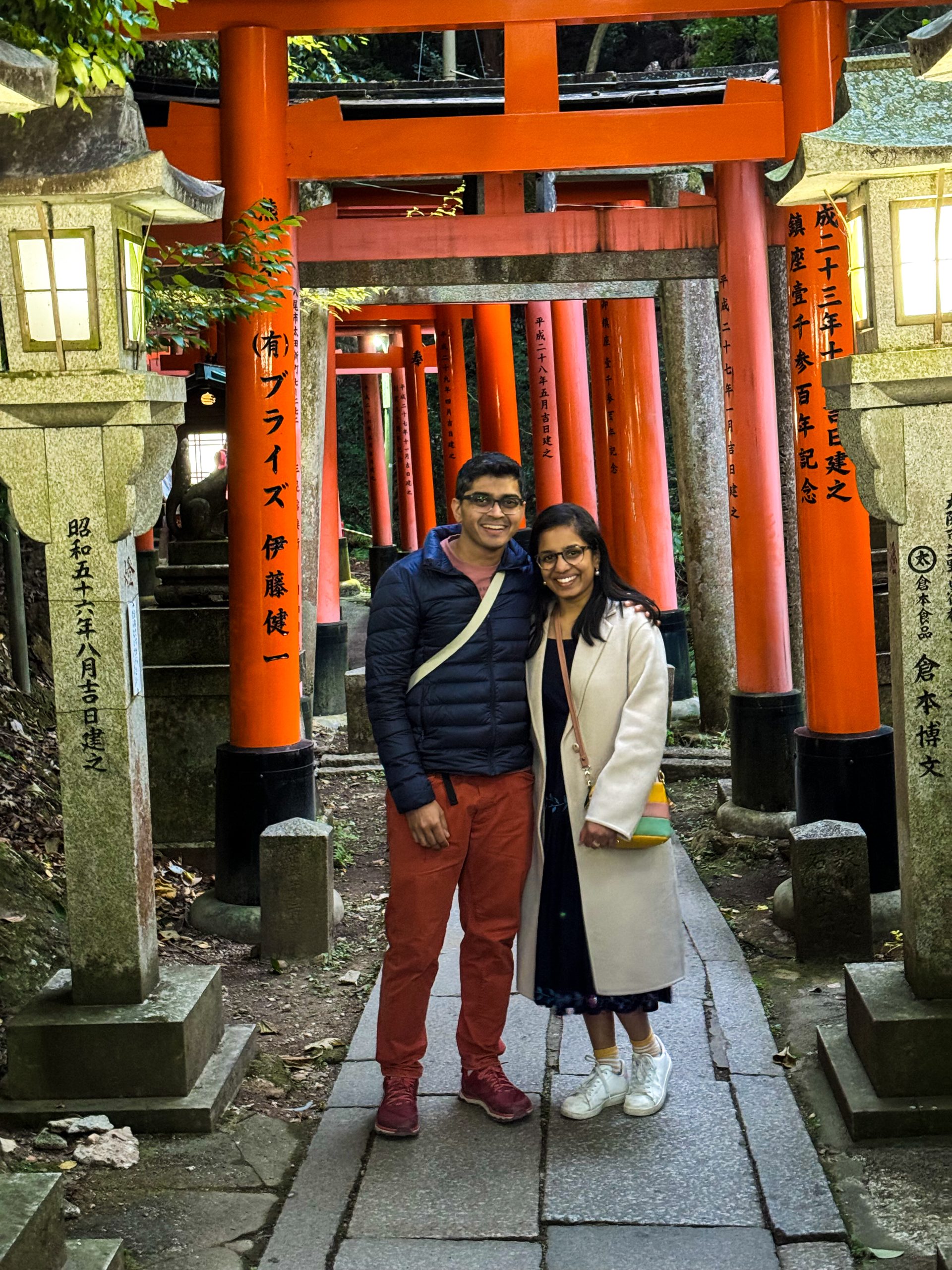
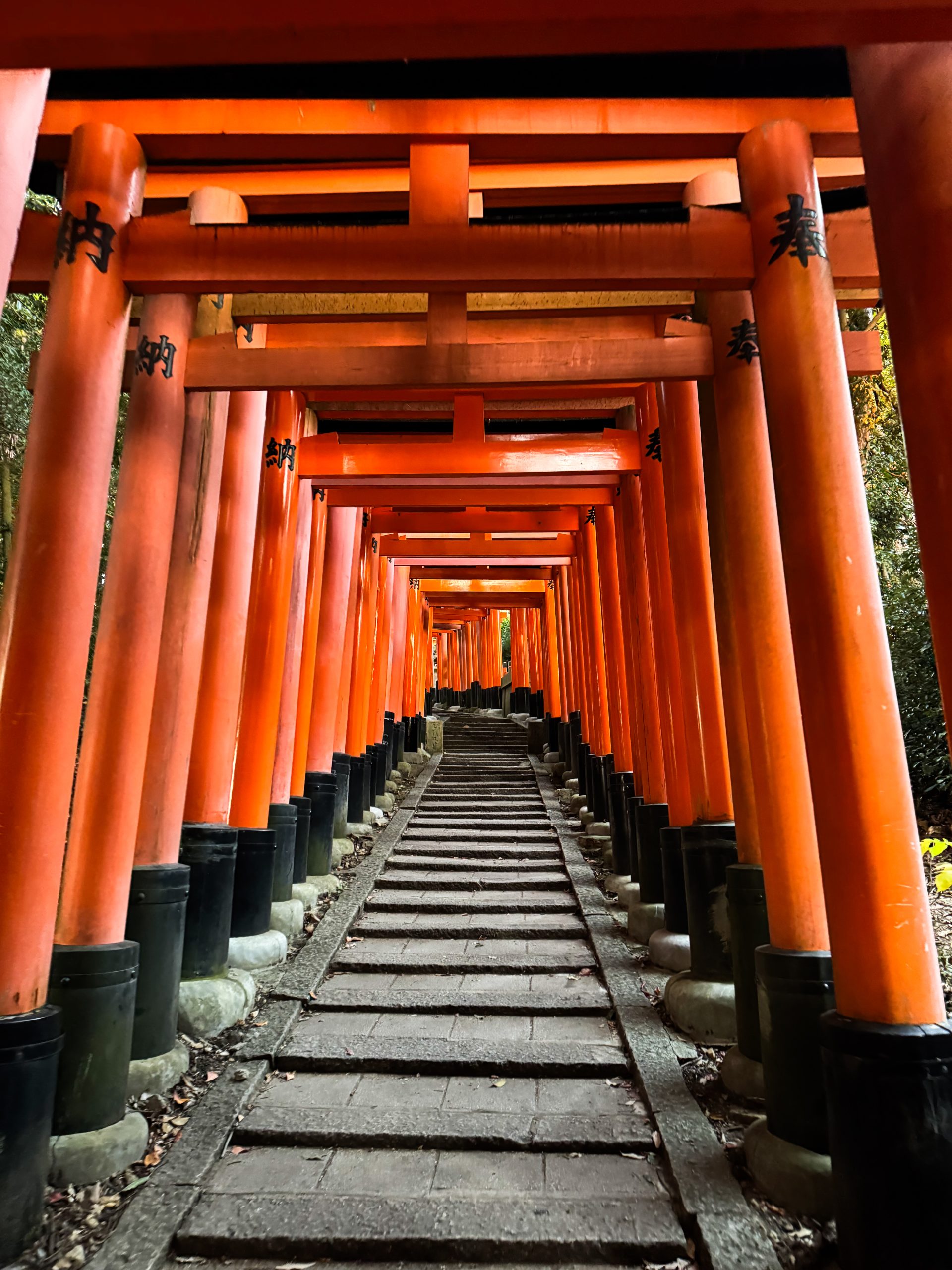
Later that afternoon, we headed to Fushimi Inari Taisha. My best advice is to keep walking. The base is packed with tourists, but the higher you climb, the more the crowds thin out. We made it all the way to the top just in time to catch the sunset over the city. Having those quiet, meditative moments among the thousands of gates was a highlight of the trip.
A Surprising Dinner
For dinner, we did something a little unconventional: we tried Japanese McDonald’s. I know it sounds crazy to eat fast food in Kyoto, but you have to try it! The quality is miles ahead of what we have back home—the seasonal menu items and the overall service make it a fun, weirdly high-quality experience.
Day 8: More of Kyoto – Moss, Meditative Silence, and Arashiyama Magic
I’ve been excited for this day since we started planning. Fun fact about me: I have a total obsession with moss. There is something so ancient and beautiful about it, and Kyoto is home to the ultimate “moss garden.”
The Day at a Glance
- Breakfast at Bamboo Coffee
- Morning: Visit Saiho-ji
- Afternoon: Boating at Arashiyama
- Evening: Yasaka Pagoda and fall lighting at Kiyomizu dera
The “Tea Room” Morning
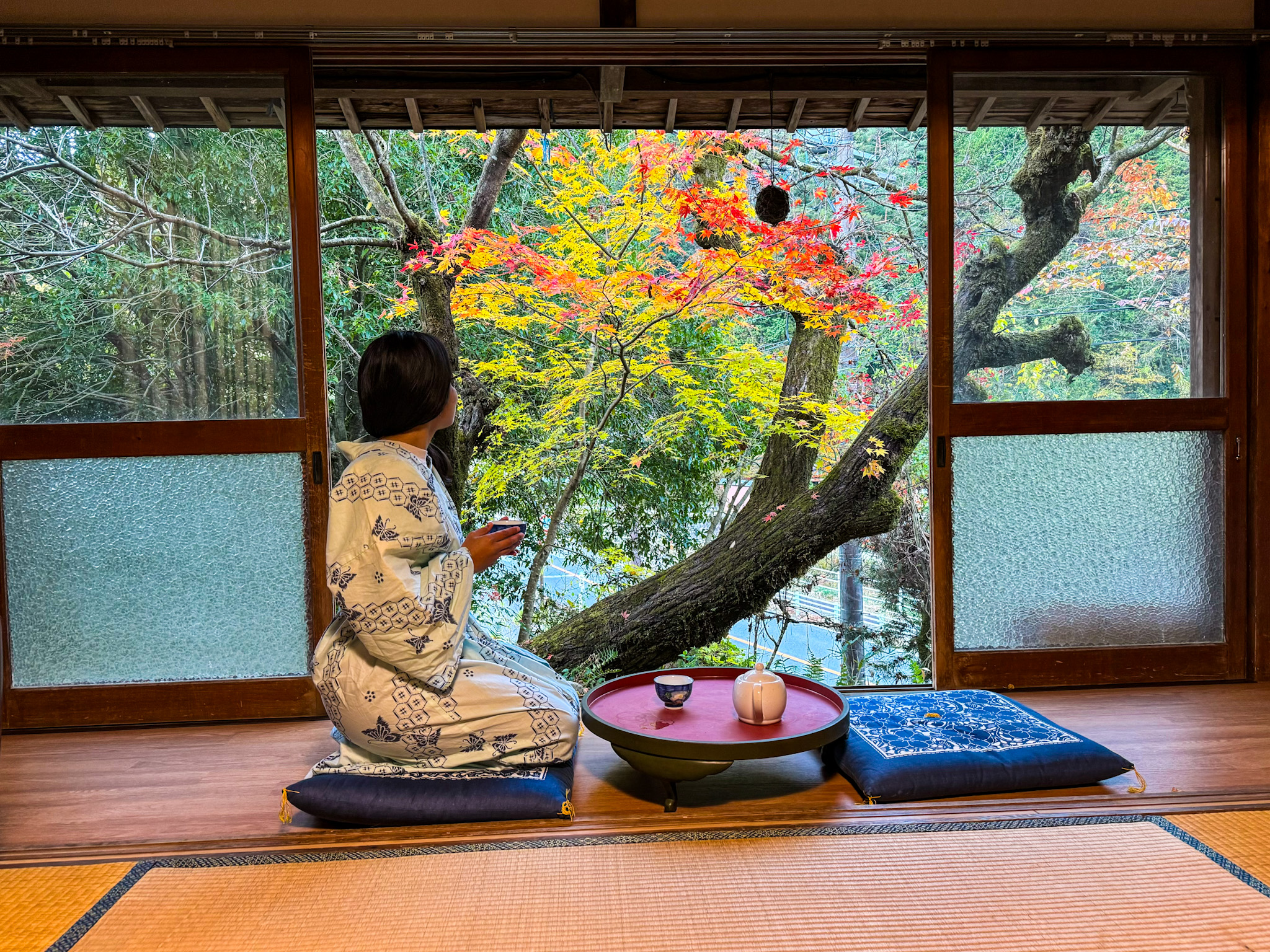
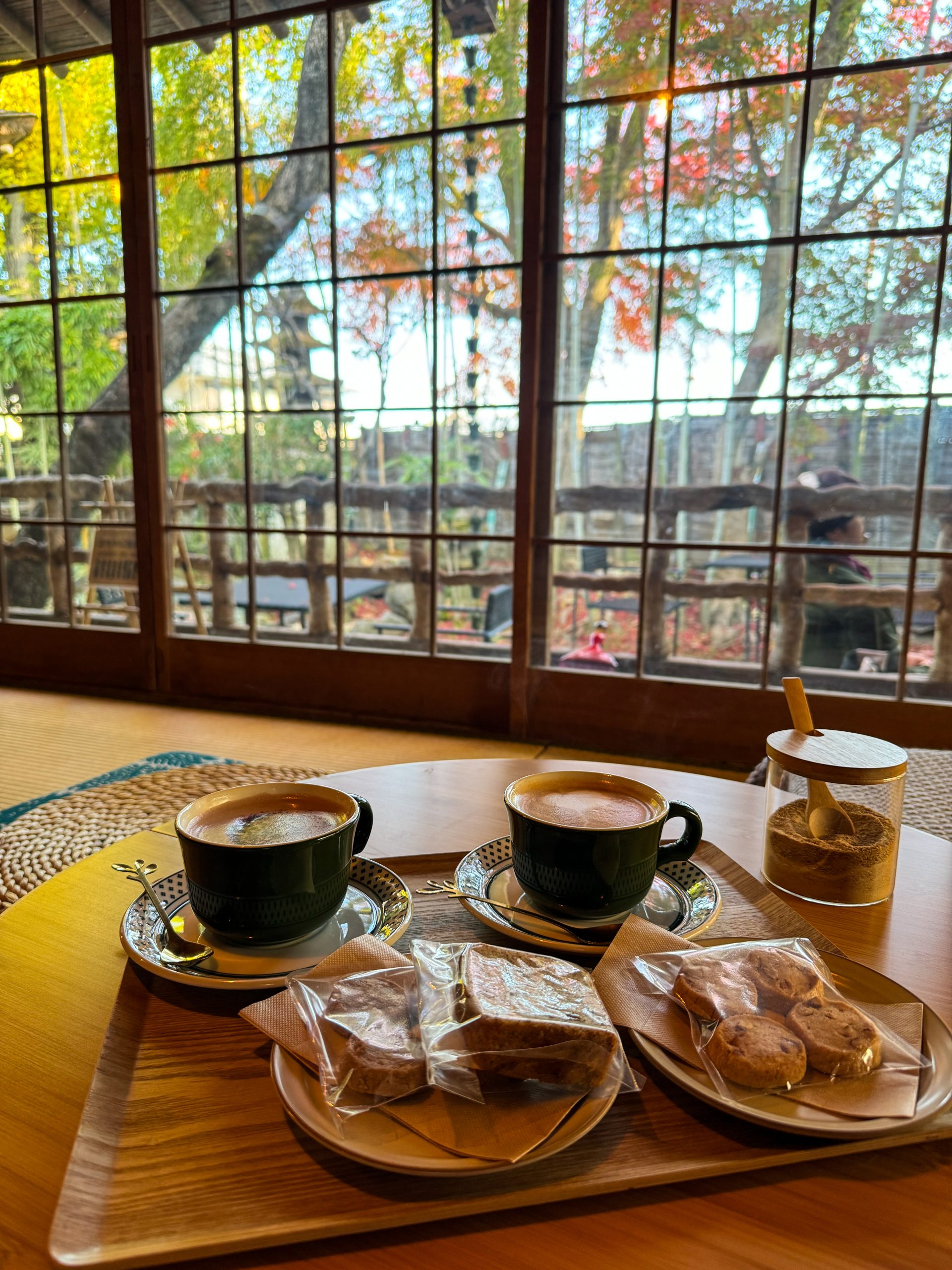
We started our morning at Bamboo Coffee for a quick bite and what turned out to be one of the most beautiful tea room experiences of the trip. Sitting in that quiet space, looking out at the view with a perfectly brewed cup, was the calm we needed before a busy day of exploring.
Saiho-ji: The Moss Temple
Then, it was time for our slot at Saiho-ji (also known as Koke-dera). This place is special because they strictly limit the number of visitors to preserve the meditative atmosphere. Before you even see the gardens, you’re seated in a stunning hall to practice traditional calligraphy and read through sutra verses. It’s a grounding ritual that completely changes how you experience the garden afterward.
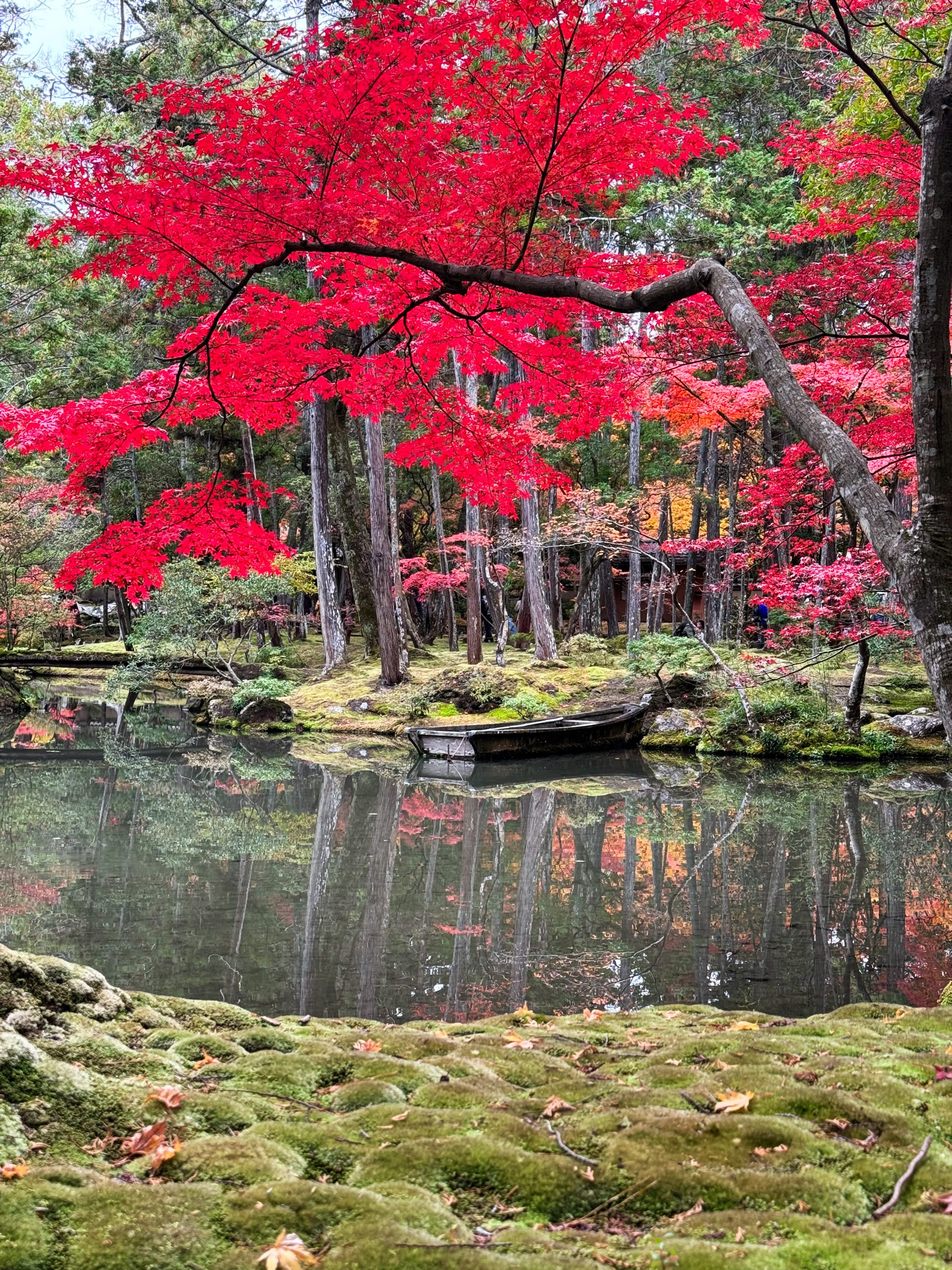
When you finally step outside, it’s like walking onto a literal carpet of green. There are over 120 types of moss here, and seeing the fresh greens accentuated by the fiery oranges and reds of the fall leaves was surreal. Talking isn’t allowed while you walk the grounds, which makes the experience feel incredibly sacred. If you love nature, put this at the top of your list—just remember you have to book your reservation well in advance!
Boating in Arashiyama
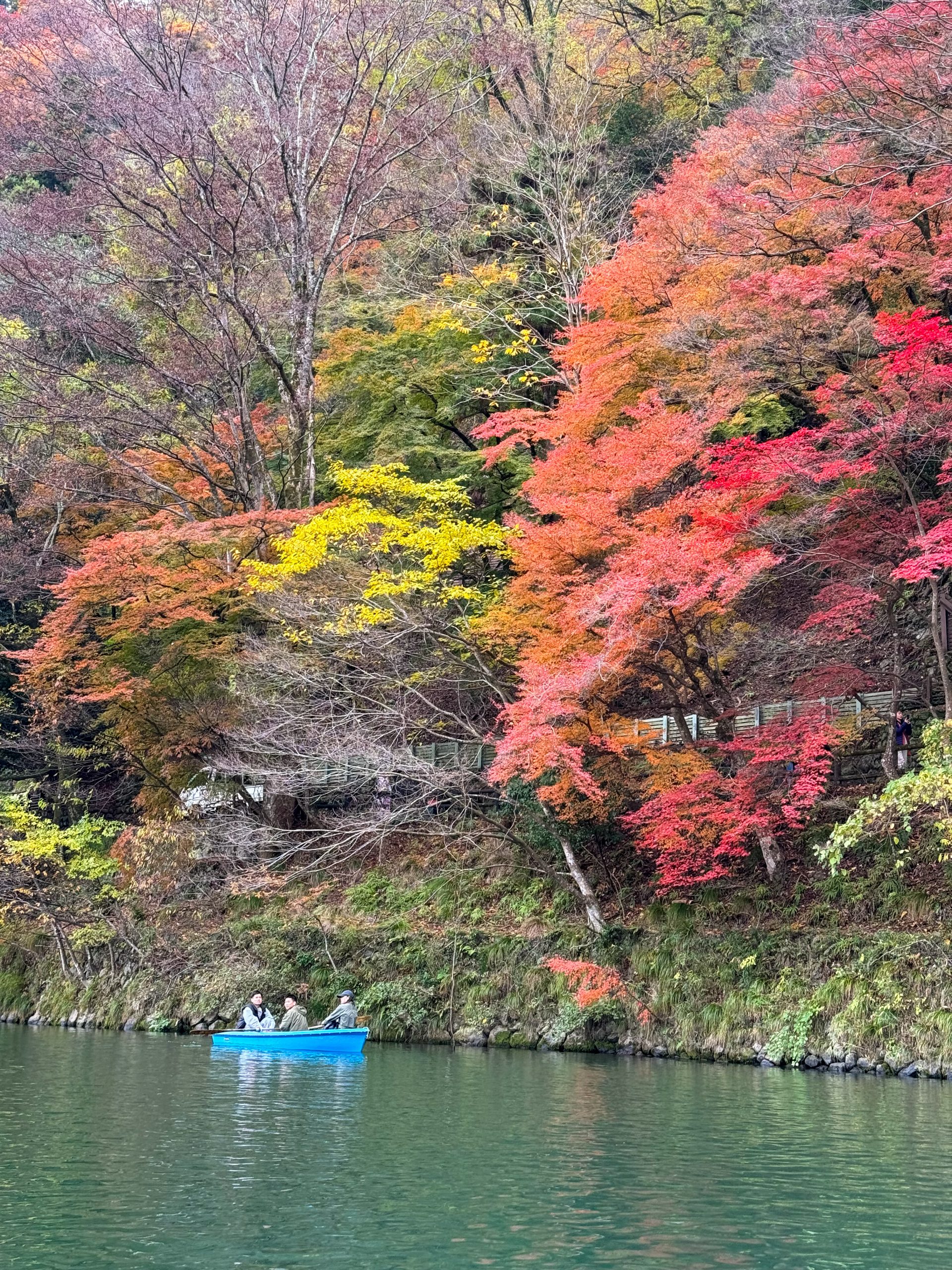
From the quiet of the moss temple, we headed into the energy of the Arashiyama area. We decided to do the river boating experience, and it was so much fun. The highlight – You can actually pull up to larger “food boats” that sell warm snacks right on the water. I got some warm dango (naturally!), and eating it while drifting through the canyon was a core memory.
For lunch, we dodged the long waits at the main street restaurants and found a spot serving matcha-flavored soba and fried yuba. Afterward, we took a quick walk through the famous bamboo forest. It was definitely crowded, but still worth seeing once.
Nightfall at Kiyomizu-dera
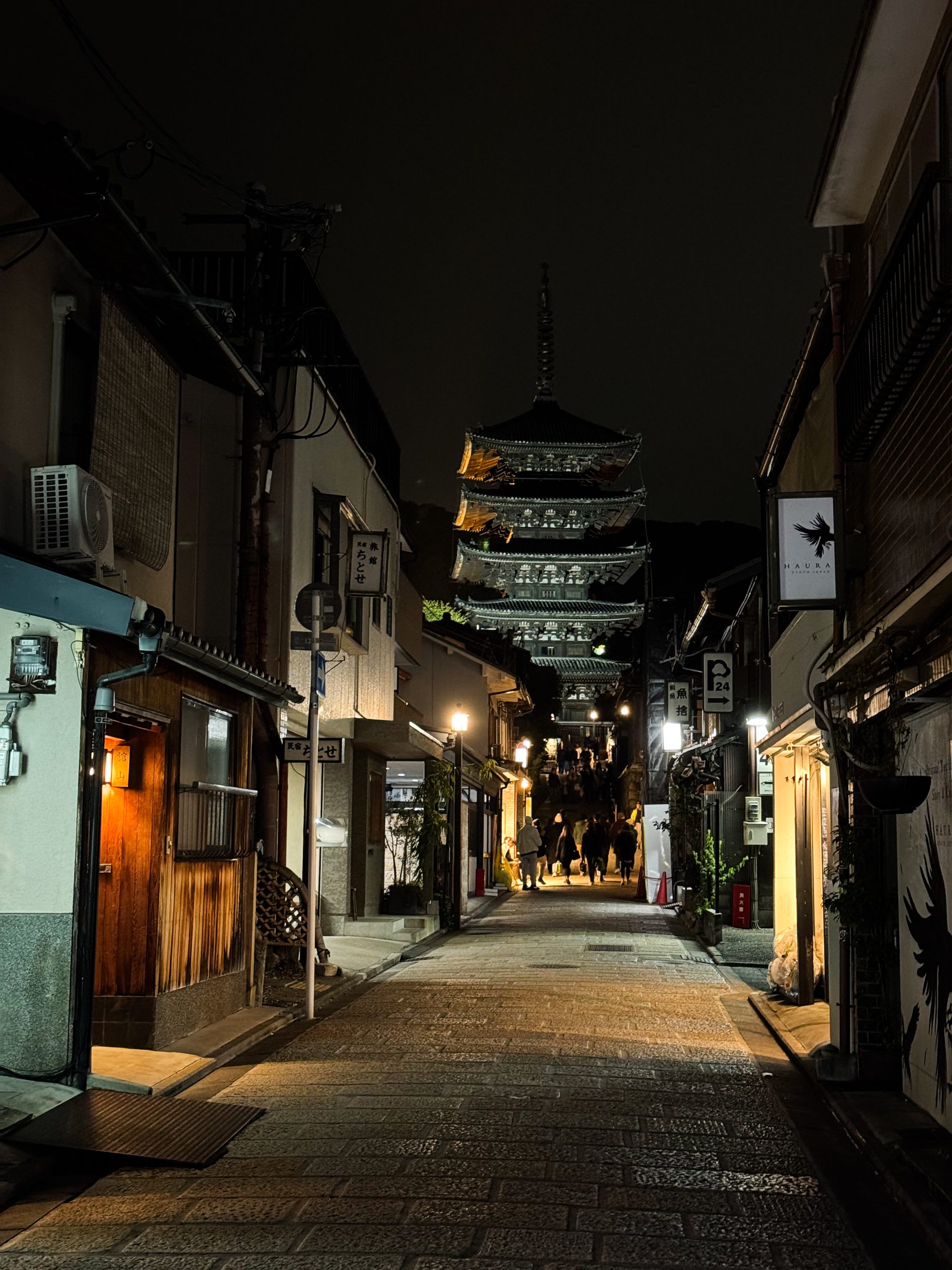
As the sun went down, we headed to the Gion area. While it’s usually packed during the day, the streets were beautifully quiet at night, allowing us to get that iconic shot of the pagoda without a sea of umbrellas in the way.
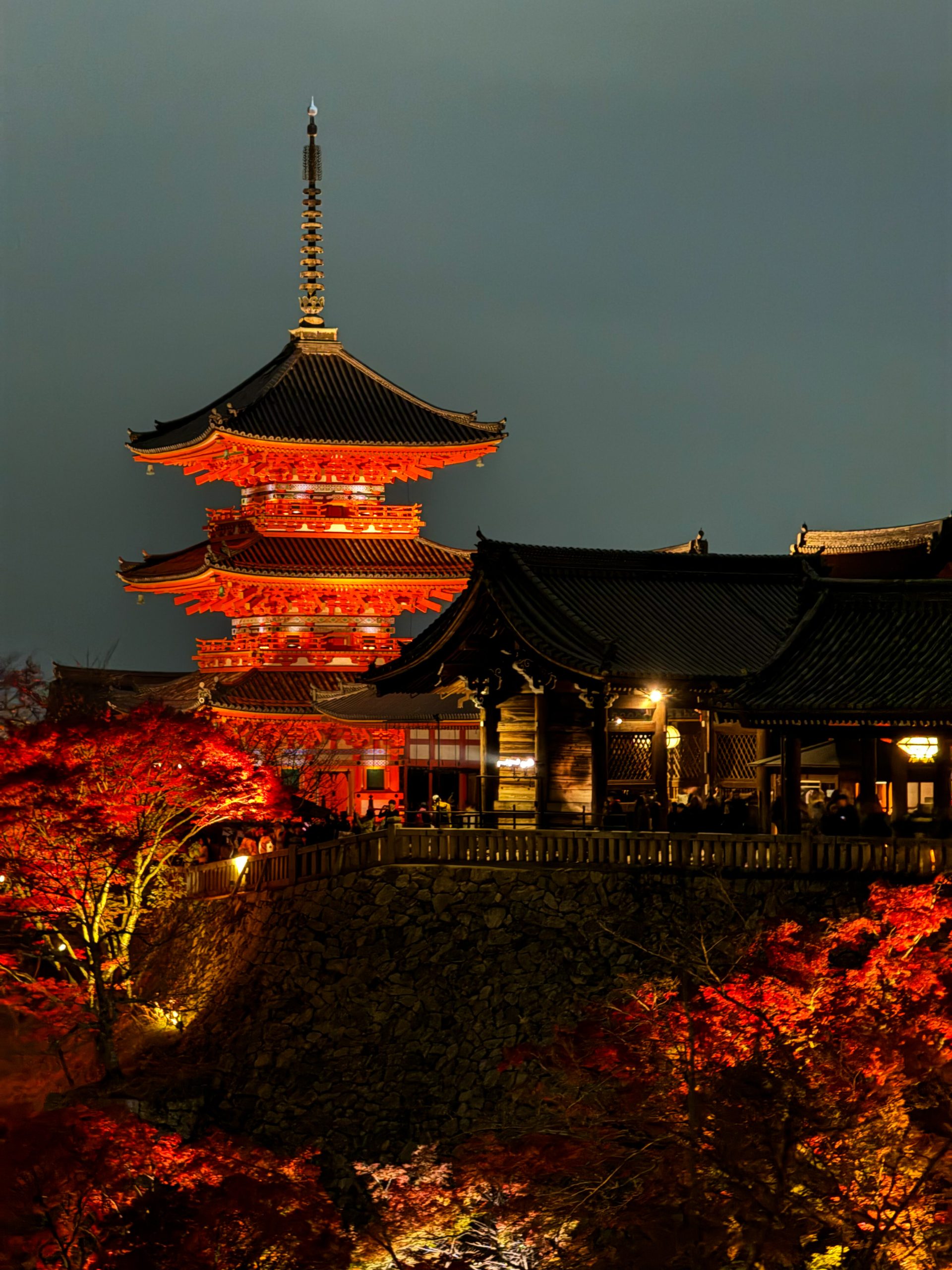
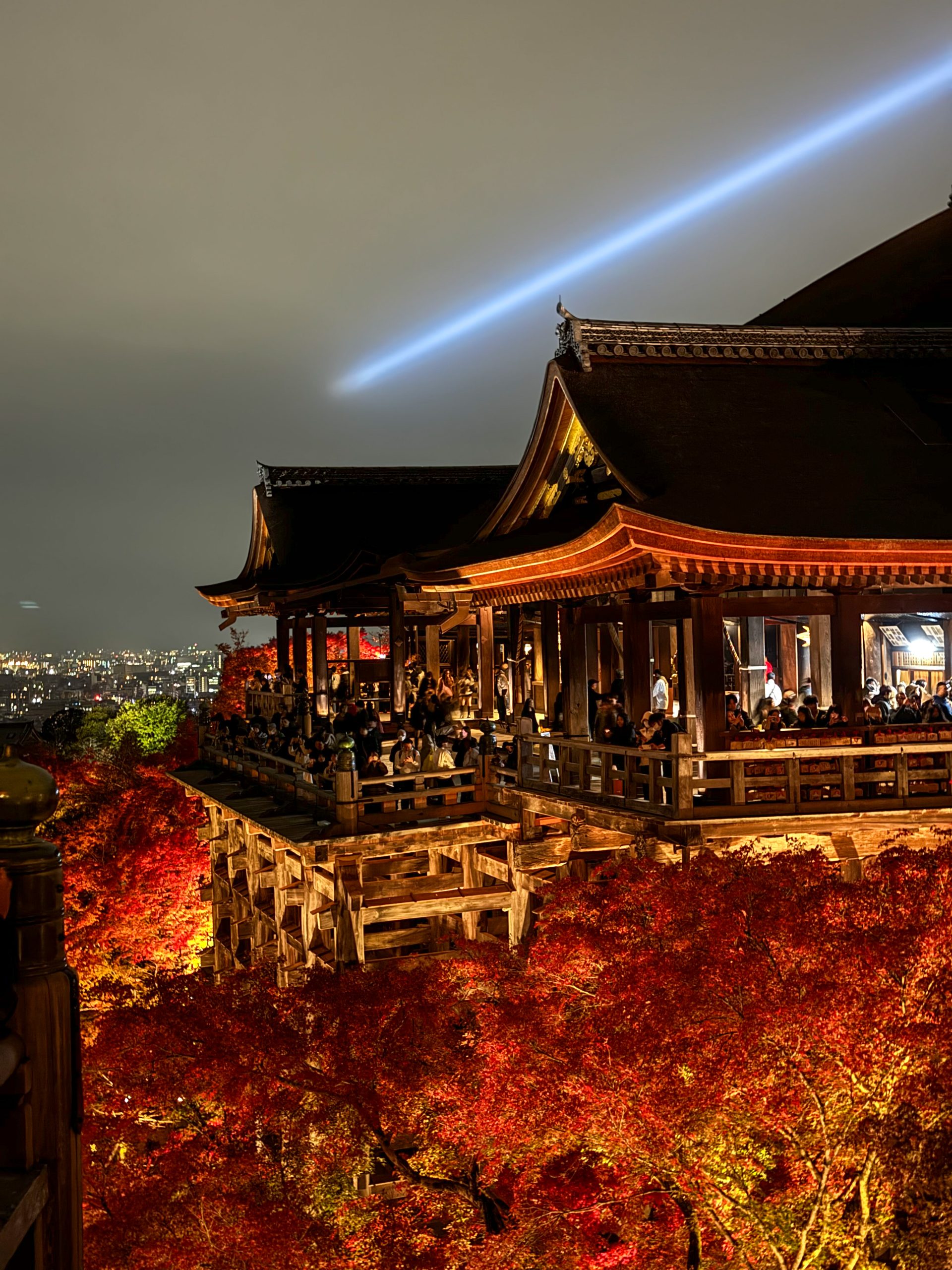
We ended the night at Kiyomizu-dera for their special fall nighttime illumination. If you visit in the autumn, you must do this. The way the temple and the surrounding maple trees are lit up against the dark sky is absolutely breathtaking.
The “Konbini” Loot
We finished our day with a classic Japanese tradition: a 7-Eleven run. We visited a convenience store every single day of this trip, and you truly cannot leave Japan without tasting the egg sandos. Made with fluffy milk bread and creamy Kewpie mayo, they are legendary for a reason. We paired ours with some onigiri and other “7/11 loot” and called it a night.
Day 9: Day Trip to Hiroshima
When we were planning our final days in Japan, we had to choose between a stop in Osaka or a day trip to Hiroshima. Without a doubt, we chose Hiroshima. It felt too important and too grounding to skip, especially on a trip where we were looking for the soul of the country.
The Day at a Glance
- Morning: Atomic Bomb Dome
- Afternoon: Peace Memorial Park and Museum
- Lunch at Okonomimura
- Evening: Leave for Tokyo
The Atomic Bomb Dome & A First-Hand Story
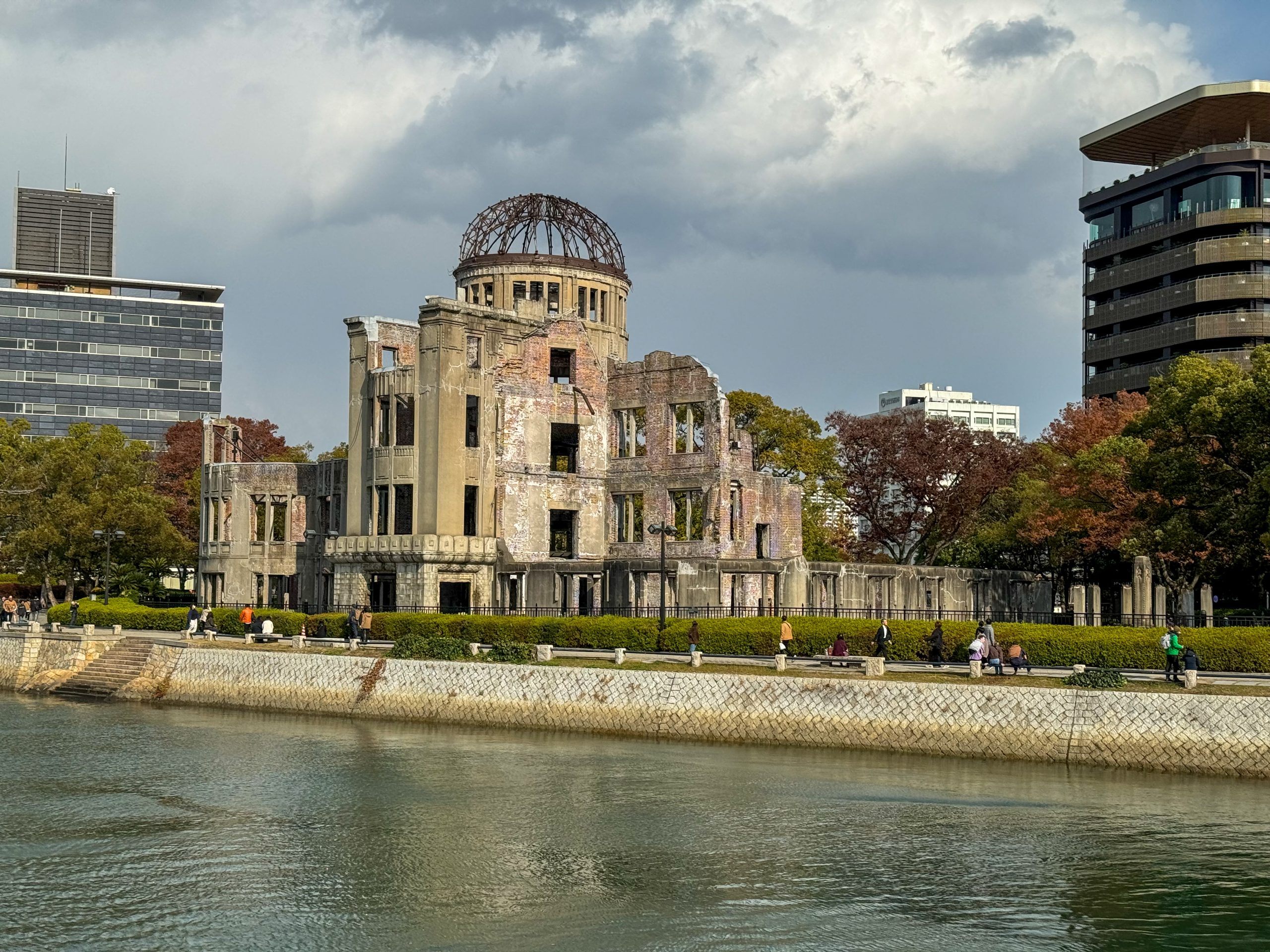
Our day began at the Atomic Bomb Dome. Seeing that skeleton of a building still standing in the middle of a thriving city is a powerful, visual reminder of resilience.
As we walked toward the Peace Memorial Museum, we had an experience that changed the entire trip. We met a survivor (Mito Kosei) who was sharing his story with passersby. Listening to him talk about his family and the impact of the blast was incredibly moving. He is one of the last few people who can tell this story first-hand, and his dedication to spreading a message of peace was deeply humbling.
Peace Memorial Park
The Peace Memorial Park and Museum are heavy, but they are essential. You walk out with a renewed perspective on humanity and a massive amount of respect for how Japan was able to bounce back and rebuild after such an event. It’s a somber experience, but it’s one that makes you appreciate the beauty and peace of the rest of the country even more.
Lunch at “The Village”
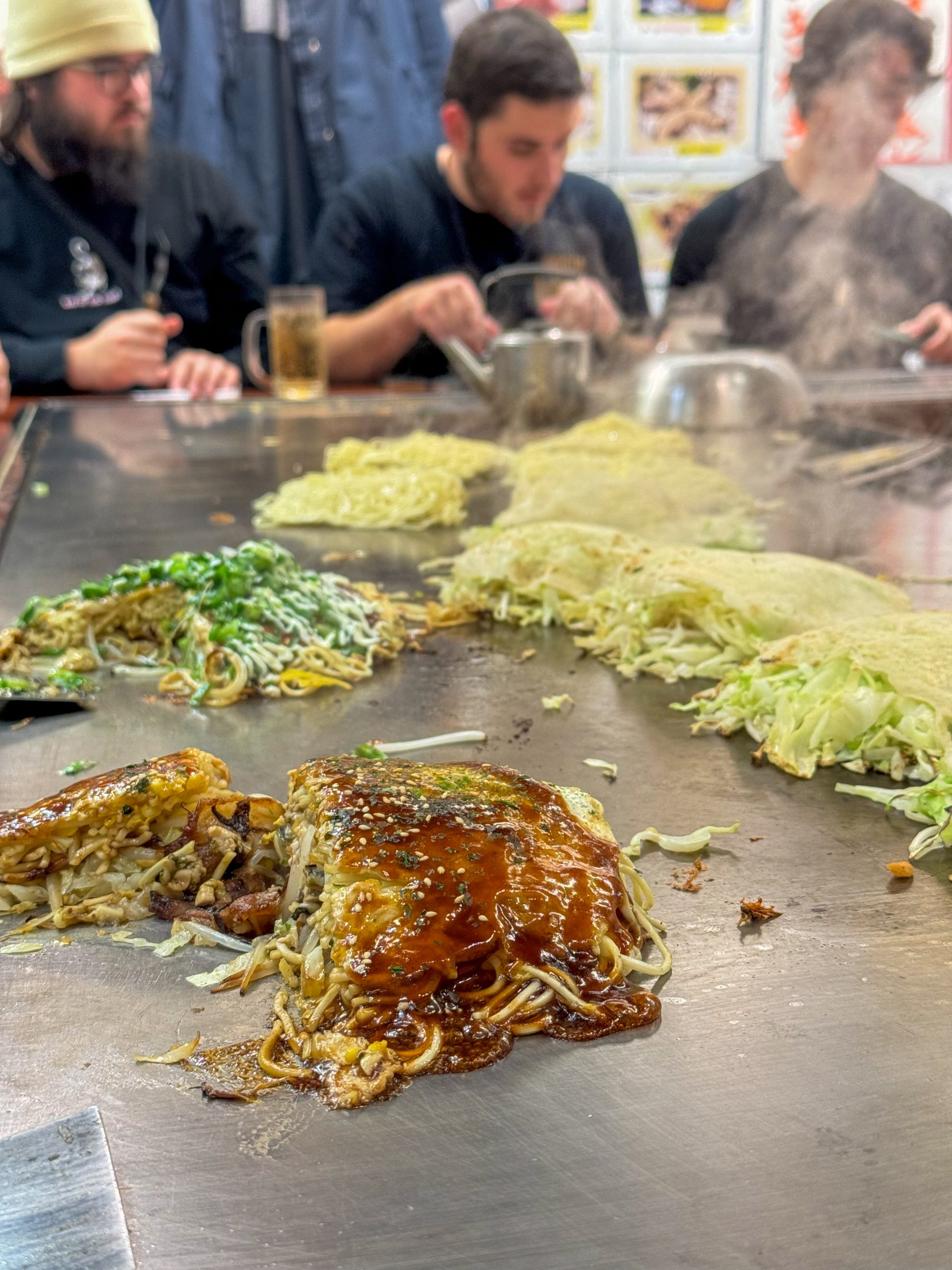
For lunch, we headed to Okonomimura (literally “Okonomiyaki Village”). It’s a multi-story building packed with dozens of different stalls, each specializing in Hiroshima-style okonomiyaki. Unlike the Osaka version where everything is mixed together, Hiroshima-style is layered with noodles, cabbage, and sprouts. We tried a couple of different variations from stalls on different floors, and it was—without question—some of the best food of the trip.
After lunch, we caught our last long Shinkansen ride back to Tokyo. The journey was quiet and reflective, a perfect way to transition into our final 24 hours in Japan.
Day 10: Tokyo – One Last Hustle
By the final day, I’ll be honest: our energy was fading. We had clearly underestimated how much ten days of mountain hiking and city navigating would take out of us. But even with tired feet, the thought of this being our last day in Japan pushed us out the door. We couldn’t leave without one last Shinkansen ride and one last feast.
The Day at a Glance
- Morning: Tokyo JR Station
- Afternoon: Shopping at Ginza
- Evening: Leave for the airport, Sayonara Tokyo
The Underground City of Tokyo Station
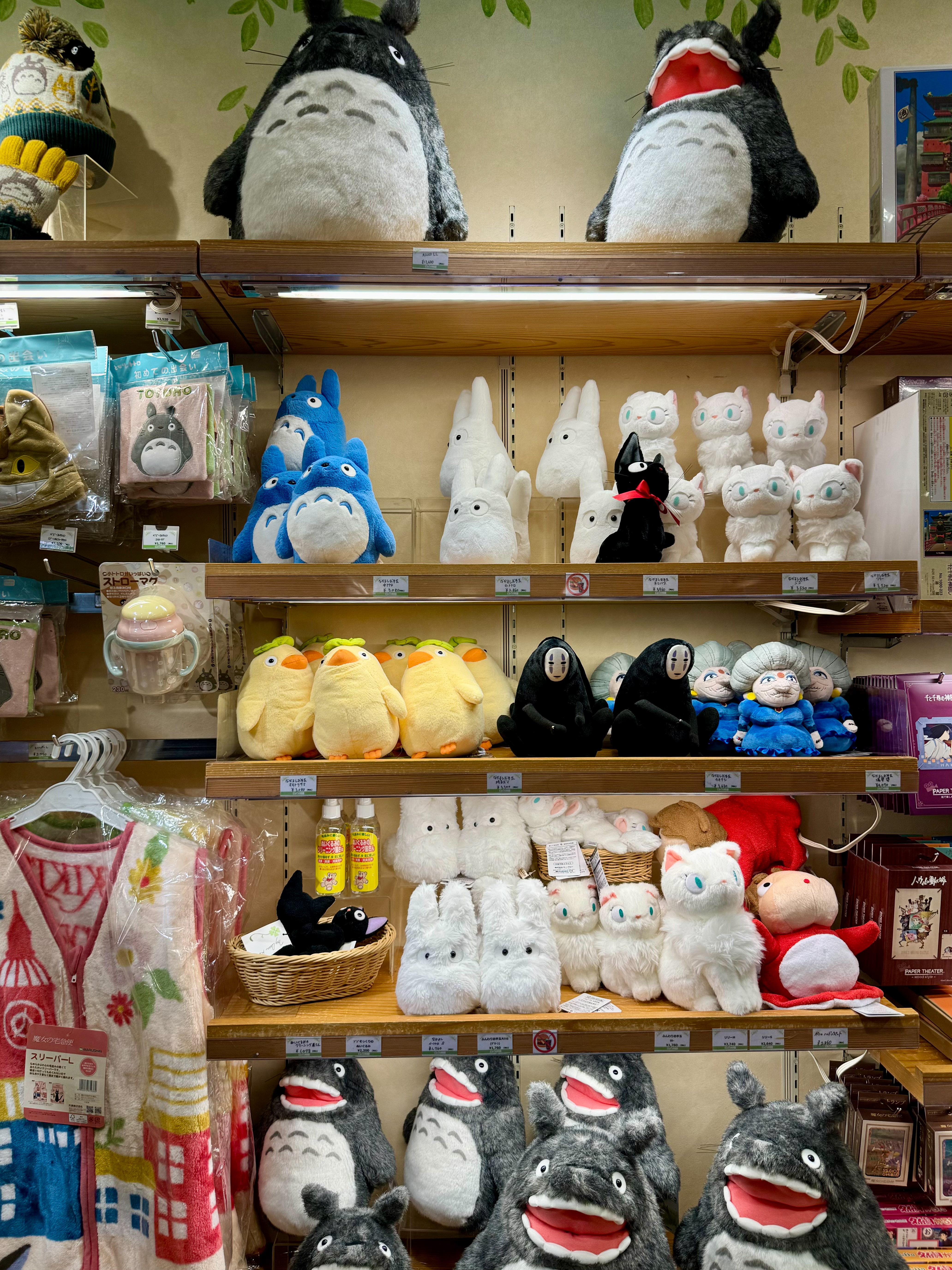
We spent our morning wandering through JR Tokyo Station. If you’ve never been, it’s hard to describe—it’s basically a massive, thriving city hidden underground. You could spend an entire day just in the station and never get bored.
We headed straight for Tokyo Character Street, which is a dream come true if you grew up on Ghibli and anime. I finally found a Ghibli store and picked up some fun socks and some Gachapon (the mystery capsule toy balls) to take home.
The Farewell Feast
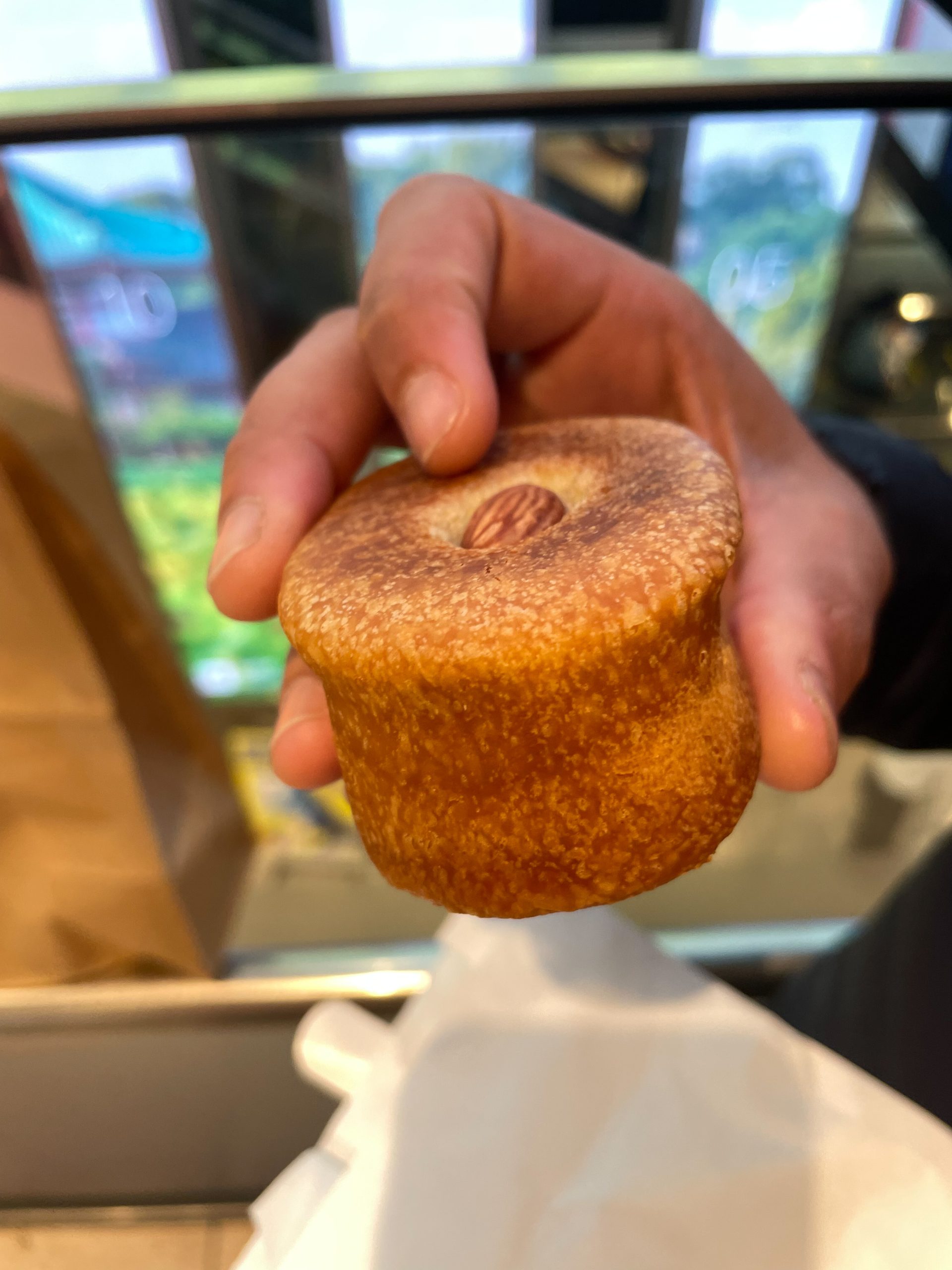
Our final food tour was ambitious. We hit a spot in the station packed with incredible vendors and just started tasting everything we knew we’d miss. Our “last day menu” included:
- Fruit Sandos: Fluffy bread with fresh cream and fruit.
- Anpan: Sweet red bean-filled buns.
- Inari, Unagi Sushi, and more: We somehow found space in our tummies for all of it.
Final Stop: Ginza
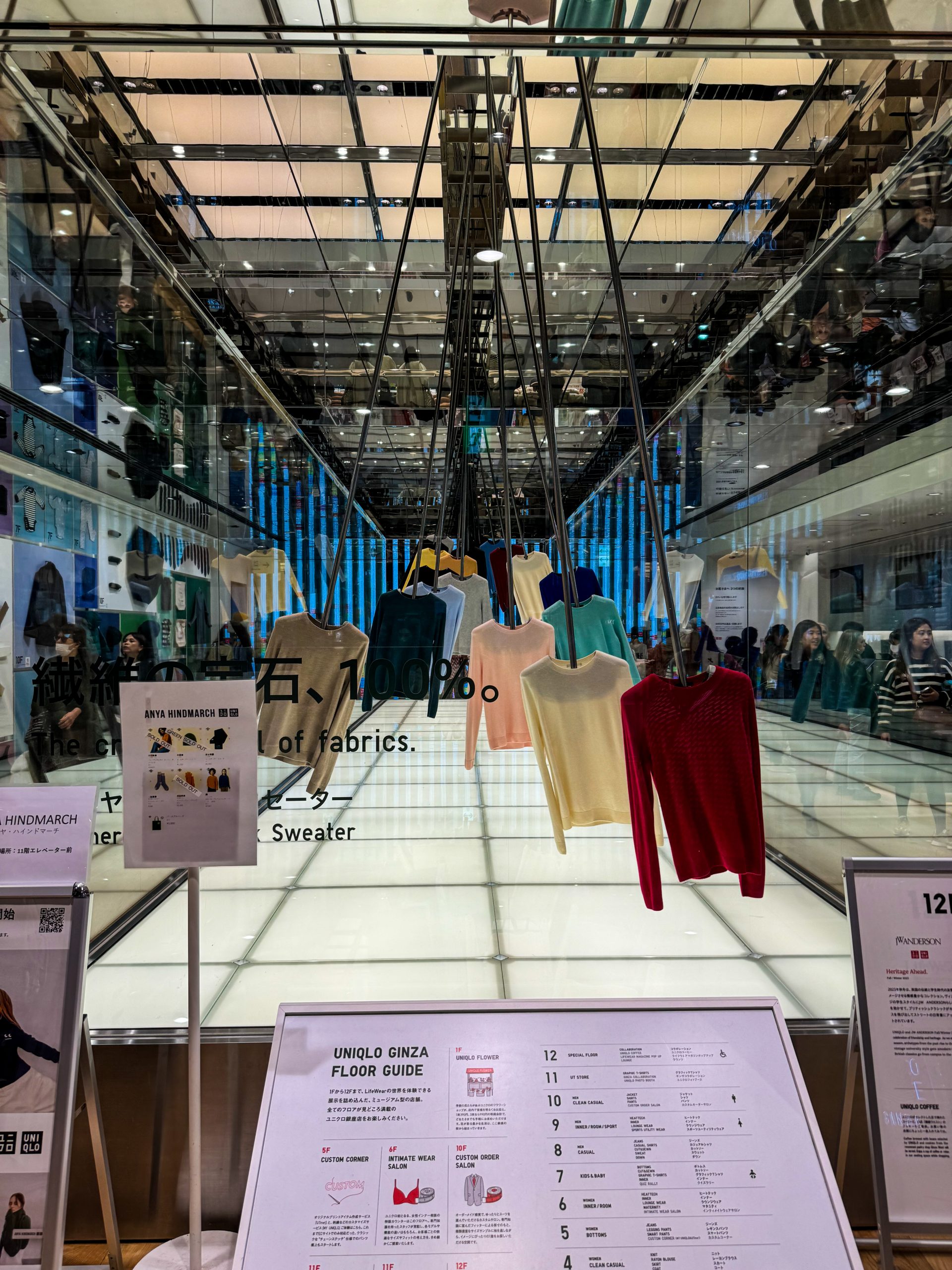
We ended our trip in Ginza at the world’s largest Uniqlo. As longtime fans of the brand, we had to see all 12 floors of it! we picked up a couple of jackets and grabbed some final snacks on the way to the airport.
As we headed to the gate at Haneda, I couldn’t believe ten days had already passed. It felt like we had been there for a month, yet it was over in a heartbeat. We left with heavier bags, tired legs, and a deep appreciation for a country that is truly like nowhere else on earth.
Alternative experiences and destinations
I know that 10 days only scratches the surface of experiencing Japan. If you want to customize your route or swap a city day for something that feels a bit more “raw,” here are the gems that almost made it into our final itinerary.
For the Slow Travel Enthusiasts
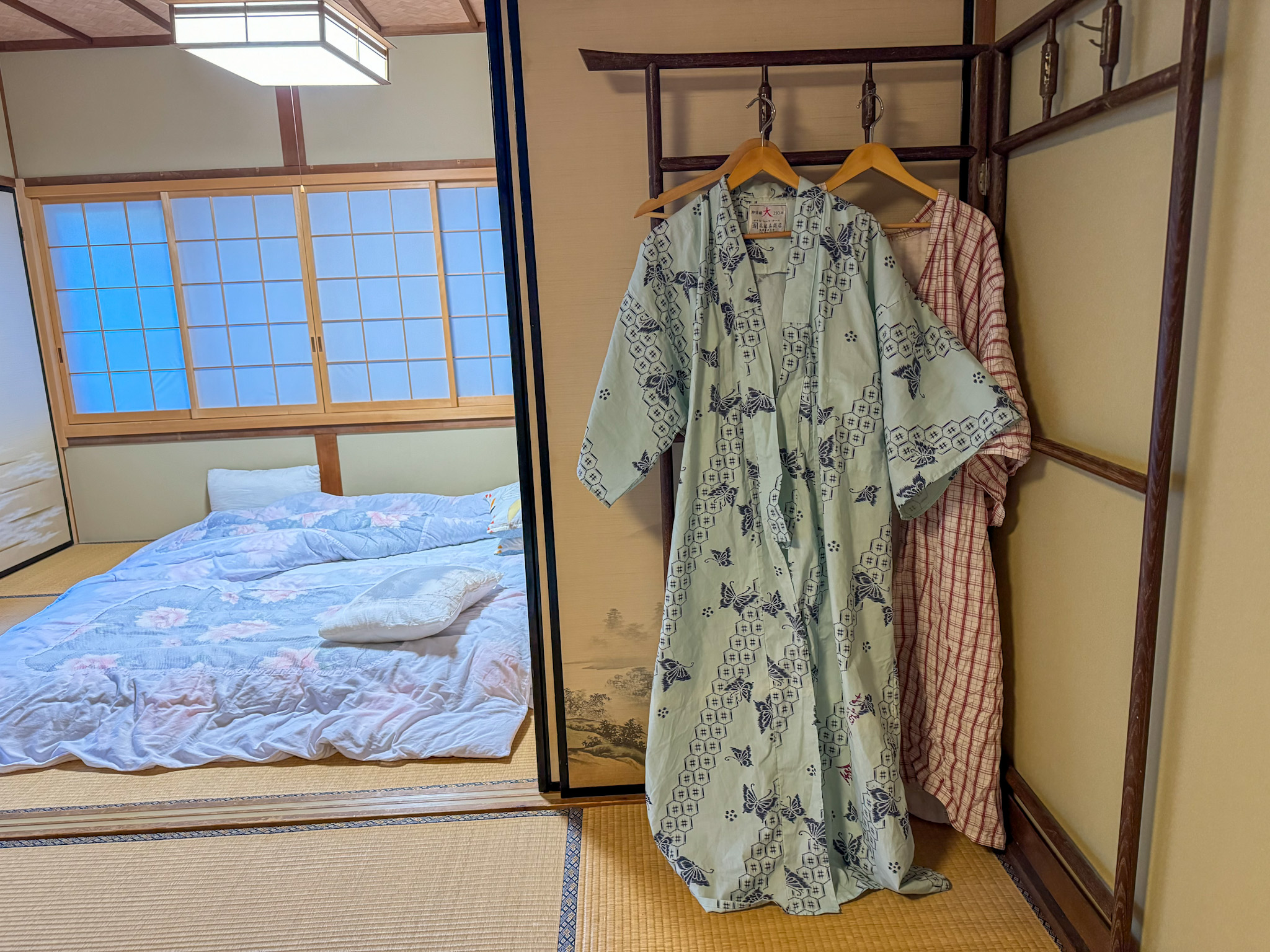
- Kinosaki Onsen: This is the ultimate “slow” experience. It’s a coastal town where the primary activity is sozoro aruki—strolling leisurely in a yukata (cotton robe) and wooden sandals from one historic bathhouse to the next along willow-lined canals.
- Kanazawa: Often called “Little Kyoto,” but it moves at a much gentler pace. You can wander through the Nagamachi Samurai District or sit in the Kenrokuen Garden (one of Japan’s top three) without the crushing crowds of the bigger cities.
- Ginzan Onsen (Yamagata): If you want to step back in time, this is the place. It’s a tiny, car-free village famous for its 100-year-old wooden ryokans and gas-lit streets. It’s particularly magical in the winter (it looks exactly like a scene from Spirited Away), but the fall colors in the surrounding mountains are equally stunning.
For the Nature & Photography Obsessed
- The Kumano Kodo (Wakayama): The spiritual “big sibling” to the Nakasendo. It’s a network of pilgrimage trails through deep forests leading to the thundering Nachi Falls—the tallest waterfall in Japan.
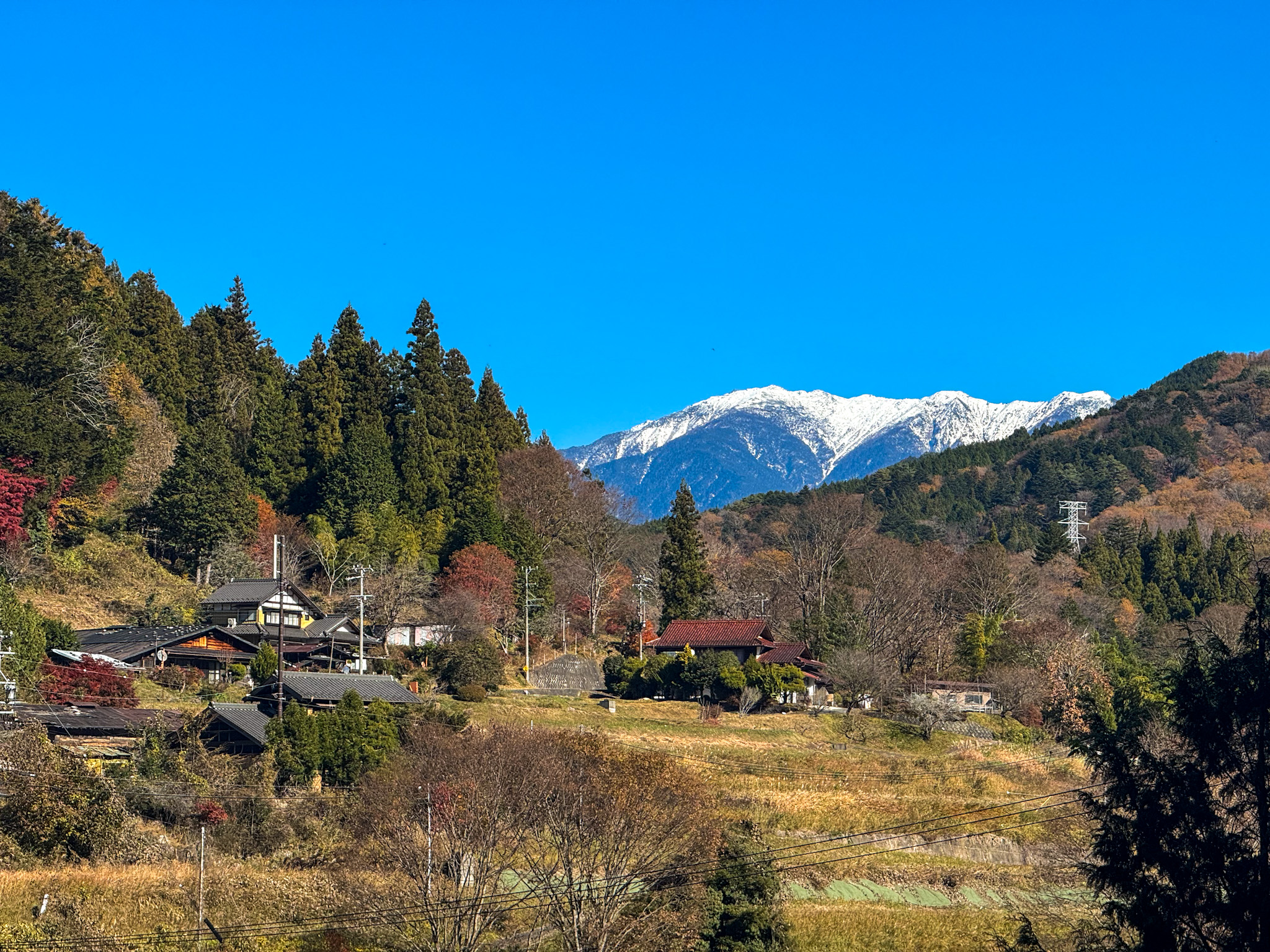
- Shirakawa-go (Gifu): A UNESCO village that looks like a fairytale. It’s famous for its traditional gassho-zukuri farmhouses with steeply thatched roofs, stunning in both winter and late autumn.
- Iya Valley (Shikoku): One of Japan’s last truly “hidden” regions, featuring vine bridges draped over turquoise rivers and remote mountain hamlets.
For the Foodies & Urban Explorers
- Osaka (The Kitchen of Japan): If your trip revolves around your stomach, you have to visit Osaka. Head to Dotonbori at night to eat your way through the neon-lit streets. You can’t leave without trying Takoyaki (octopus balls), Okonomiyaki (savory pancakes), and Kushikatsu (deep-fried skewers). For a more local feel, skip the main tourist drag and head to Karahori Shopping Street for hidden food stalls.
- Tsukiji Outer Market (Tokyo): Still the best place for a “sushi breakfast.” Grab some tamagoyaki (sweet omelet) on a stick and the freshest toro you’ll ever find at the stalls surrounding the old market site.
- Nishiki Market (Kyoto): Known as “Kyoto’s Kitchen,” this is the spot to try local specialties like pickled vegetables, roasted chestnuts, and of course, even more of that fresh yuba we fell in love with.
Our ten days in Japan felt less like a vacation and more like a profound shift in perspective. Walking through the quiet, ancient forests of the Kiso Valley and watching the light hit the moss at Saiho-ji changed us in ways we are still trying to put into words. This country has a way of staying with you long after the flight home, and we are already counting down the days until we can return to its misty mountains and restorative silence.
This guide is just the beginning of our Japan series. I’ll be diving deeper and sharing a detailed, step-by-step traveler’s checklist to help you navigate the logistics of your own trip with ease. Plus more Japan guides to help you explore the country.
If you want to be the first to see those guides, be sure to subscribe to Weekend Wanderers blog. Along with the latest itineraries, you will also get exclusive access to the Wander Vault—my private collection of curated maps. I am currently working on a dedicated Japan map to add to the vault soon, so stay tuned.
Japan is waiting for you, and I can’t wait to help you get there.