
Yosemite Firefall 2026: The Perfect Valentine’s day trip for nature lovers
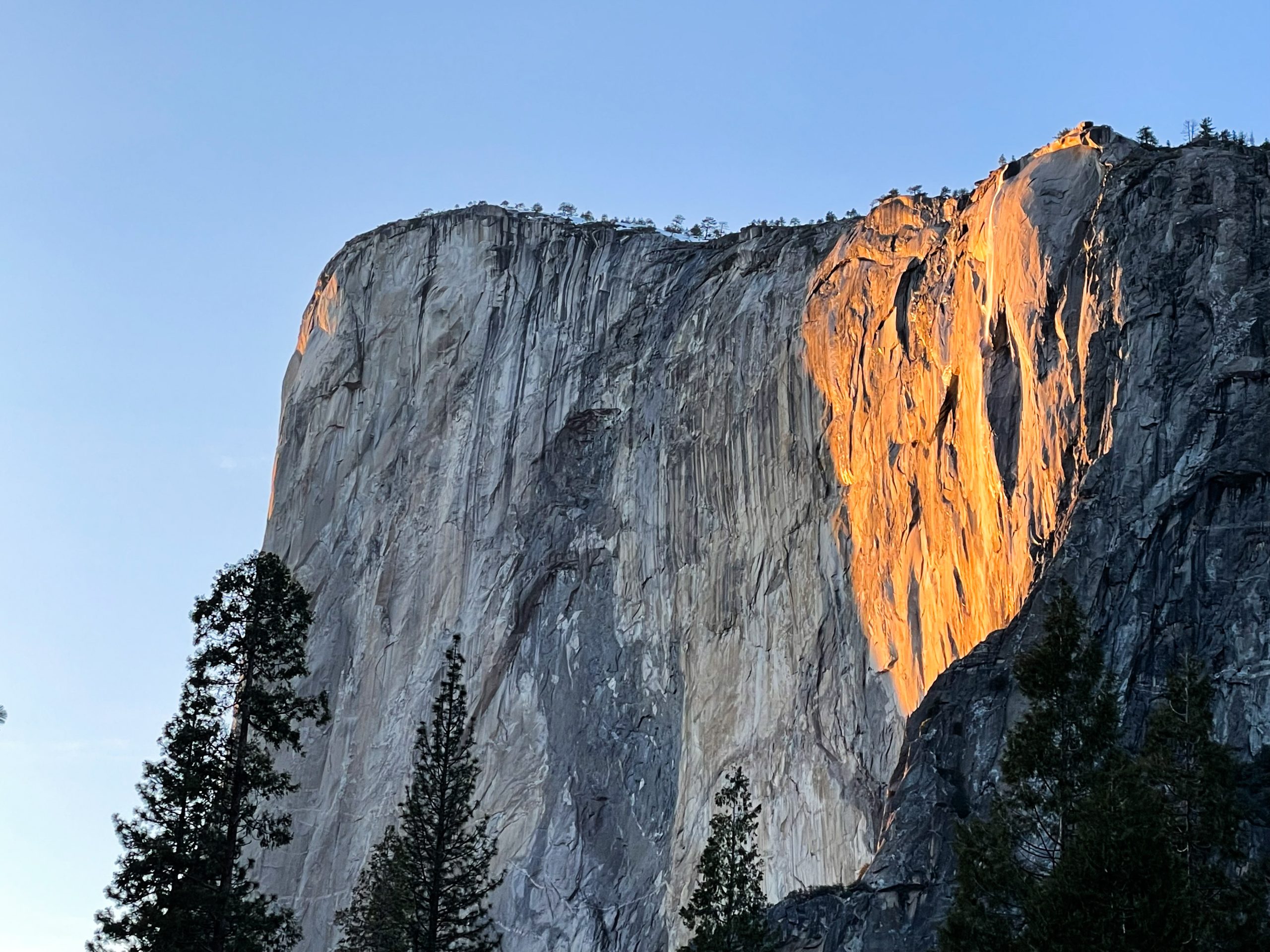
If you’ve ever thought about visiting Yosemite in the winter, I have the perfect reason for you to finally make the trip — the Firefall. Especially if you’re looking for a way to surprise someone special for Valentine’s Day, forget the usual dinner plans and take them to the valley instead. Nature has the perfect gift for you.
Every year, right around the weekend after Valentine’s Day, Yosemite puts on a spectacular show that feels like the park’s own way of wishing everyone a happy Valentine’s Day. It’s a phenomenon that draws photographers and nature lovers from all over the world, and for good reason. There is something surprisingly fun about the “organized chaos” of it all—hundreds of people huddled together in the cold, sharing snacks and waiting for hours just to see those few minutes where the waterfall turns into liquid gold at sunset. The energy in the valley is absolutely electric.
If you want to join the party, you’ll need a bit of a game plan. It’s not quite as simple as just driving in, but I’ve got you covered. In this post, I’m going to tell you everything you need to know to make it happen including the best spots to catch the view.
Table of Contents
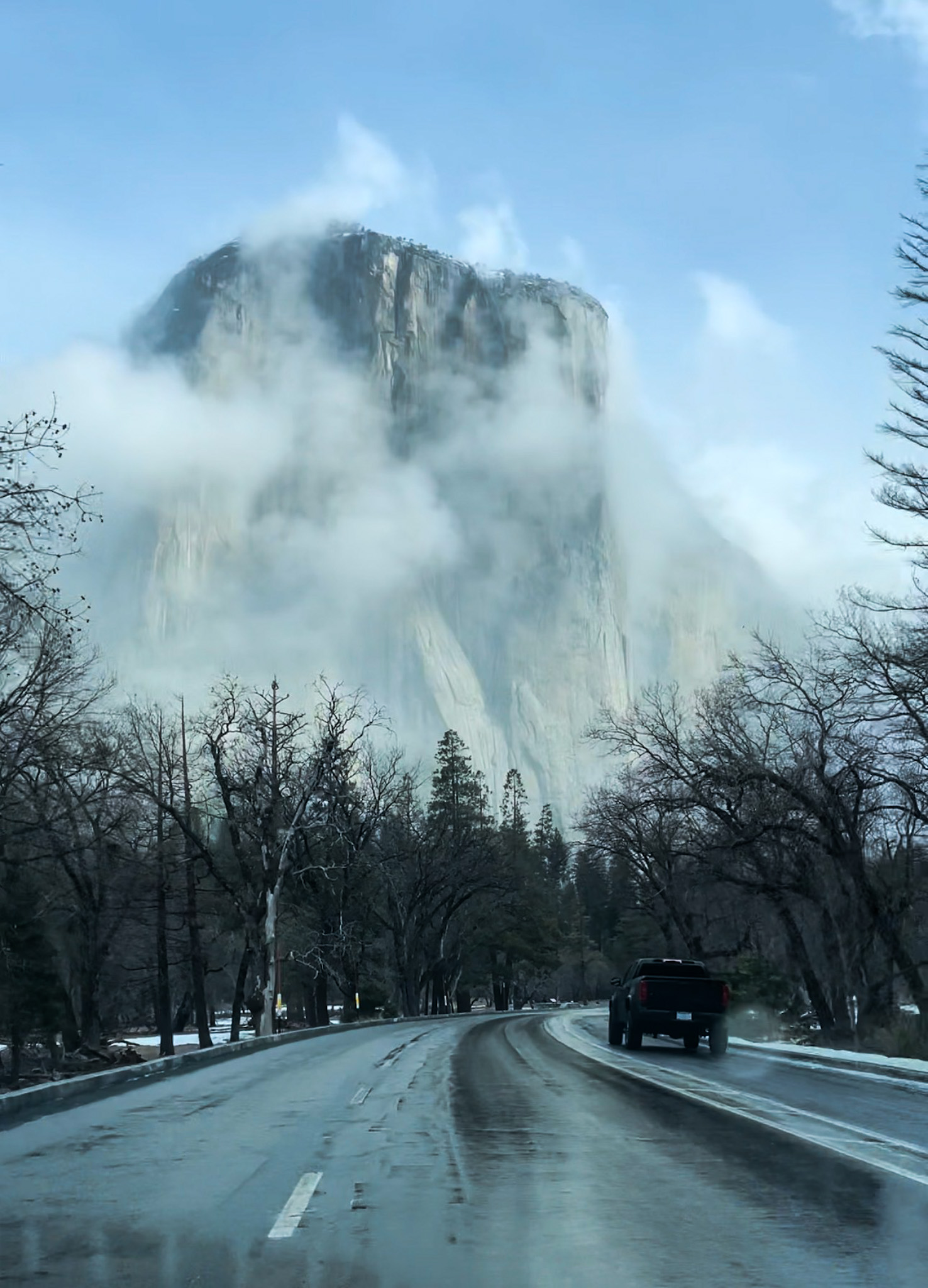
What is the Firefall?
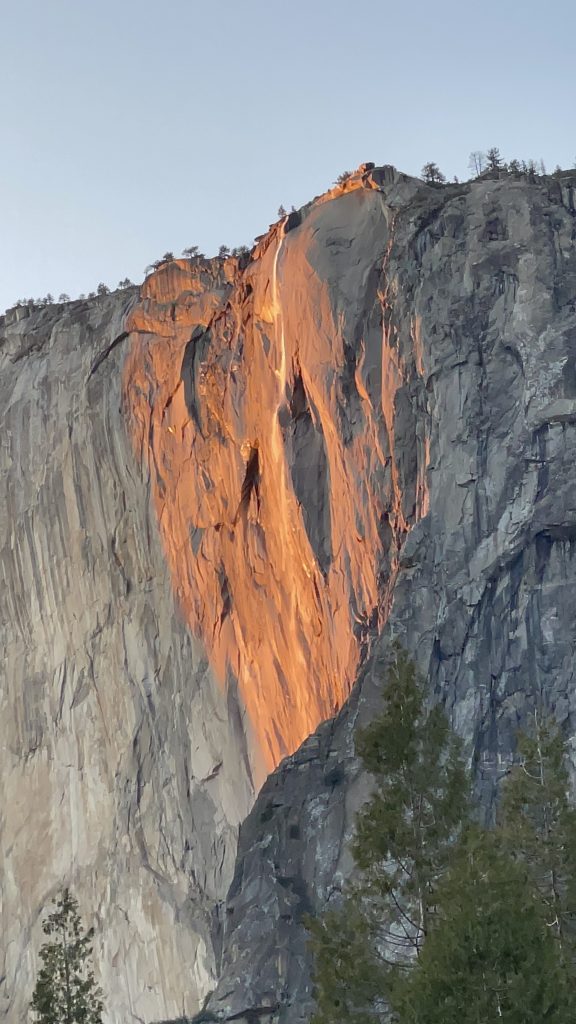
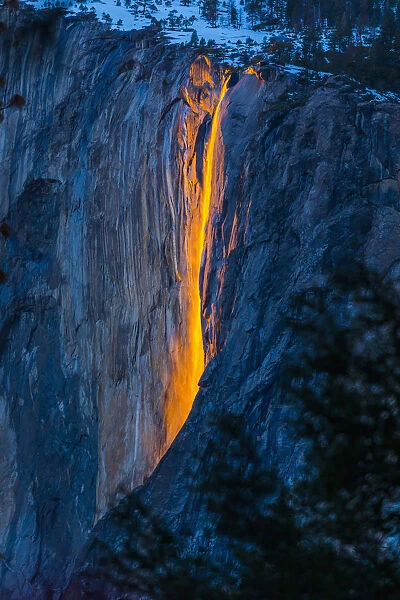
For a few weeks in February, the sun hits Horsetail Fall in Yosemite National Park at just the right angle during sunset. If the conditions are just right, the water catches the light and begins to glow. It shifts from a bright yellow to a deep, fiery orange until it looks exactly like liquid gold or fire cascading down the granite face of El Capitan. This is called the Firefall.
History of Firefall
Back in the day—starting in the late 1800s—there was a man-made version of this event. Hotel owners at Glacier Point would literally push a massive pile of burning embers off the cliff edge after dark, creating a literal waterfall of fire for the crowds watching below.
It was a huge spectacle for decades, but it was eventually discontinued in 1968. It wasn’t exactly “natural,” and the National Park Service decided that dumping hot coals over a cliff didn’t really align with their mission of preservation (not to mention the obvious safety and fire hazards).
What’s wild is that the natural Firefall we see today was basically a secret during those years. Even though Horsetail Fall has been there forever, everyone was so focused on the coal-dumping show at Glacier Point that they completely missed the natural miracle happening on the other side of the valley.
It wasn’t until 1973—5 years after the man-made event was banned—that photographer Galen Rowell captured the first famous photo of the natural glow and the photo blew up. It turns out nature had been putting on its own (much better) show all along; we just weren’t looking at the right cliff!

When does the Firefall happen?
If you want to catch the glow, timing is everything. The window for the Firefall is incredibly short—it only happens for about two weeks in mid-to-late February.
For 2026, the predicted dates to see the effect are February 12th through February 25th.
While you might see a faint glow earlier or later in the month, the peak window is typically February 16–20. This is when the sun’s angle is most precise, giving you that deep, “molten lava” orange color that everyone is after.
Must-have conditions for Firefall to happen
Even if you show up on the peak day, nature still has to cooperate. For the “flow to glow,” you actually need three specific things to happen at once:
- Flowing Water: Horsetail Fall is an ephemeral waterfall, meaning it only flows when there is enough snowmelt or recent rain. If it’s been a dry winter or it’s too cold for the snow to melt, the fall might just be a damp rock.
- Clear Skies: This is the big one. Even a few stray clouds on the western horizon can block the sunlight and “turn off” the effect. You need a clear path for the sun to hit the cliff at sunset. Check the weather before your visit!
- The Perfect Angle: This is why we go in February! The sun has to be in just the right spot in the sky to backlight the water without lighting up the rest of the mountain.
Planning Your Yosemite Firefall Trip: Cost & Logistics
Permits and Cost
For 2026, Yosemite does not require a permit to enter the park. This is the first time the part has opened up without permits since a few years – which also means it’s going to be crowded. Expect traffic, long wait lines for buses or long walks.
Separate from the reservation, the standard entry fee is $35 per vehicle (unless you have the America the Beautiful National Parks Pass).
Important 2026 Update for Nonresidents: As of January 1, 2026, there is a new fee structure for international visitors. Non-U.S. residents now pay a $100 per-person surcharge in addition to the $35 entry fee unless they purchase the new Non-Resident Annual Pass for $250. For U.S. residents, the America the Beautiful Pass is still $80 and covers your entrance.
Winter Driving & Chains
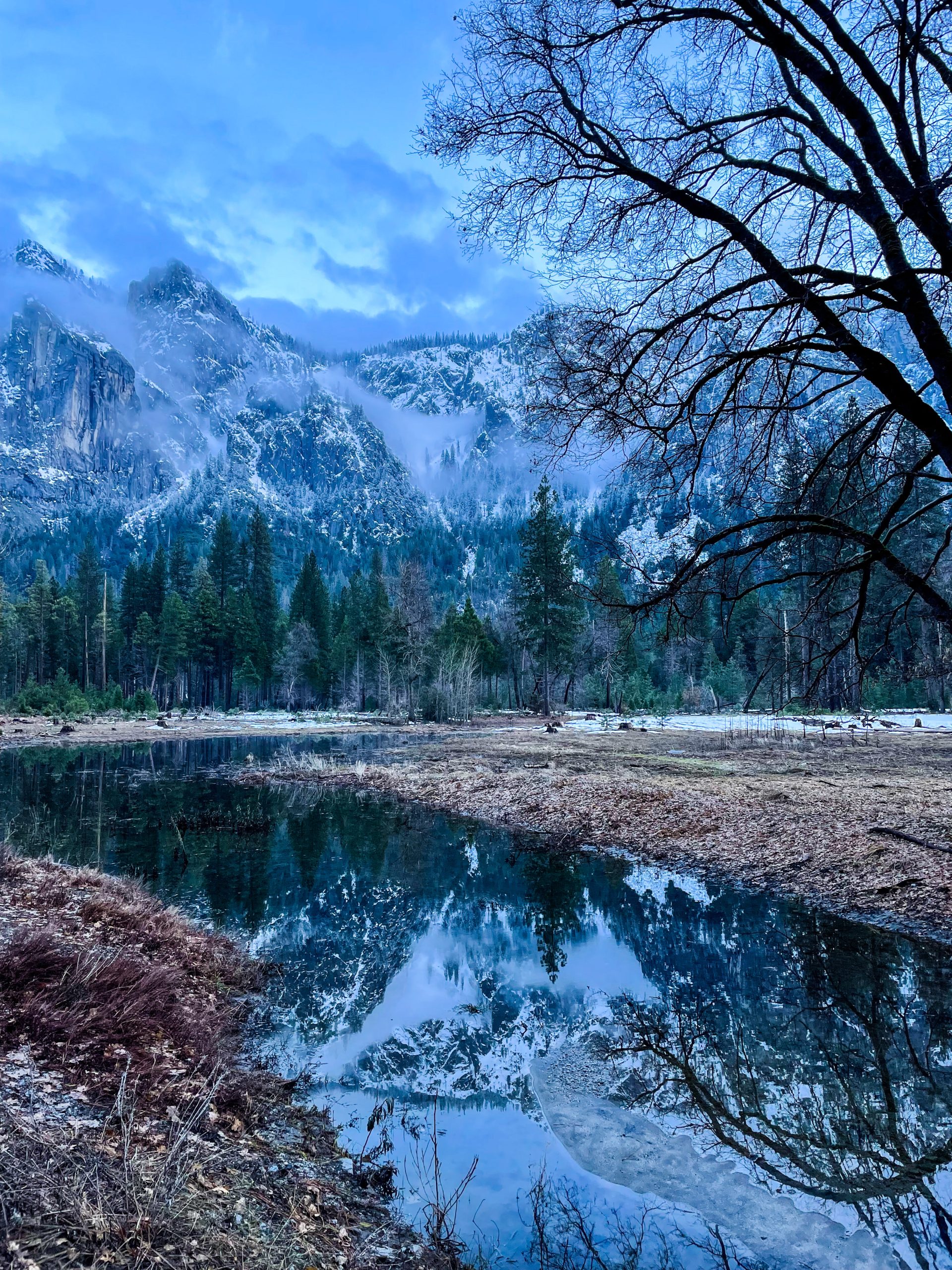
February in the Sierras means unpredictable snow. Even if the valley floor looks clear, you are legally required to carry tire chains in your vehicle when entering the park during winter. Depending on the weather, rangers often enforce chain requirements on the mountain roads. Don’t risk being turned away at the gate—keep them in your trunk and know how to use them!
Where to stay on your trip to Yosemite?
Since the event happens at sunset and involves a lot of waiting around in the cold, you want a place that either keeps you close to the action or gives you a warm, cozy place to retreat to afterward.
Here are the two options I’d recommend depending on what you’re looking for.
Yosemite Rush Creek Lodge & Spa (The “Treat Yourself” Option)
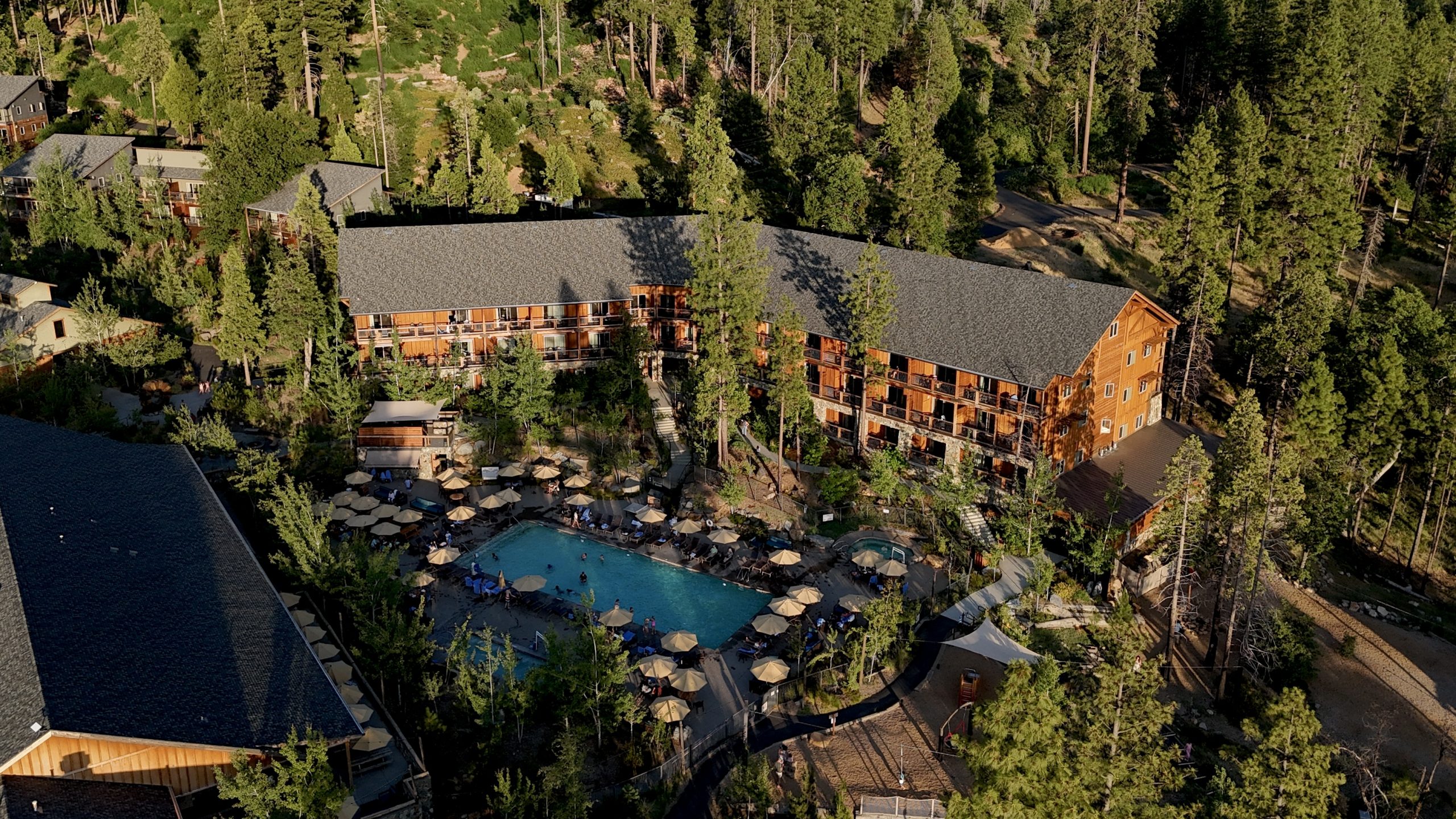
We stayed here during the summer and the place is honestly amazing. It’s located just about 10 minutes outside of the Big Oak Flat park entrance, making it one of the absolute closest stays you can get outside the park boundaries.
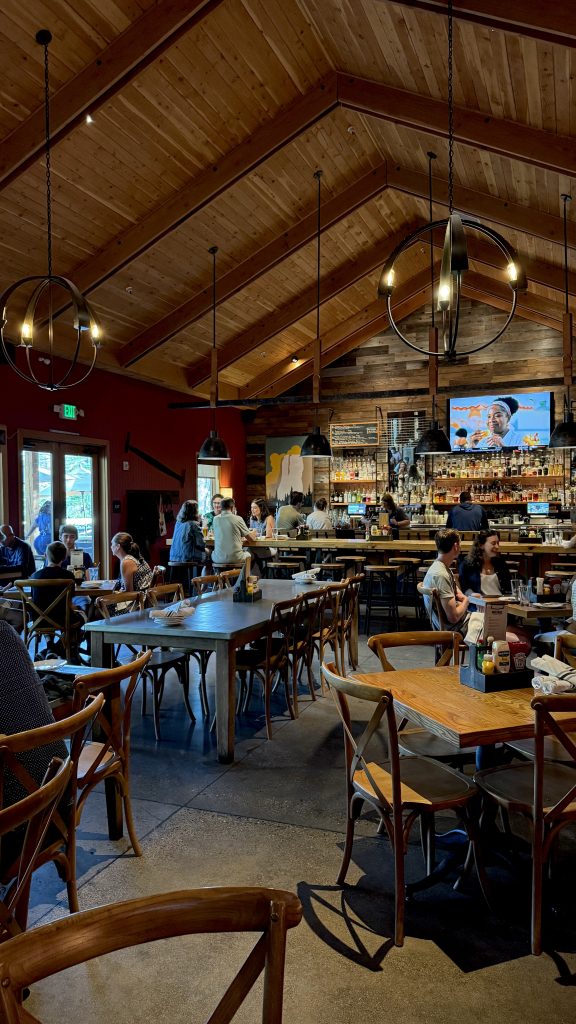
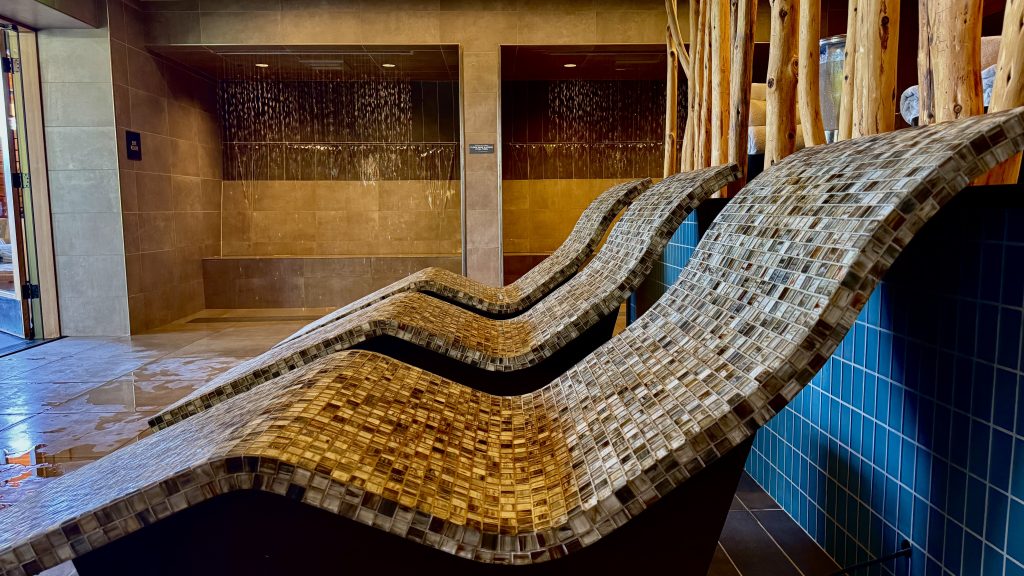
The rooms are modern and cozy, and there’s a great on-site restaurant and tavern for a post-adventure meal. But the real highlight is the spa. There is nothing quite like coming back from a long day of exploring the park and heading straight for the mineral pools or a warm stone massage. It’s an extra cost, but after standing in the February chill for hours waiting for the Firefall, it feels like a total lifesaver.
Tip: On our trip, we missed the Firefall on the first day due to heavy cloud cover. Fortunately, we stayed for a second day and got lucky with perfectly clear skies. Having that extra day acts as a “weather insurance policy”—if the conditions don’t cooperate on your first try, you have a second chance to catch the magic.
Curry Village (The “Heart of the Action” Option)
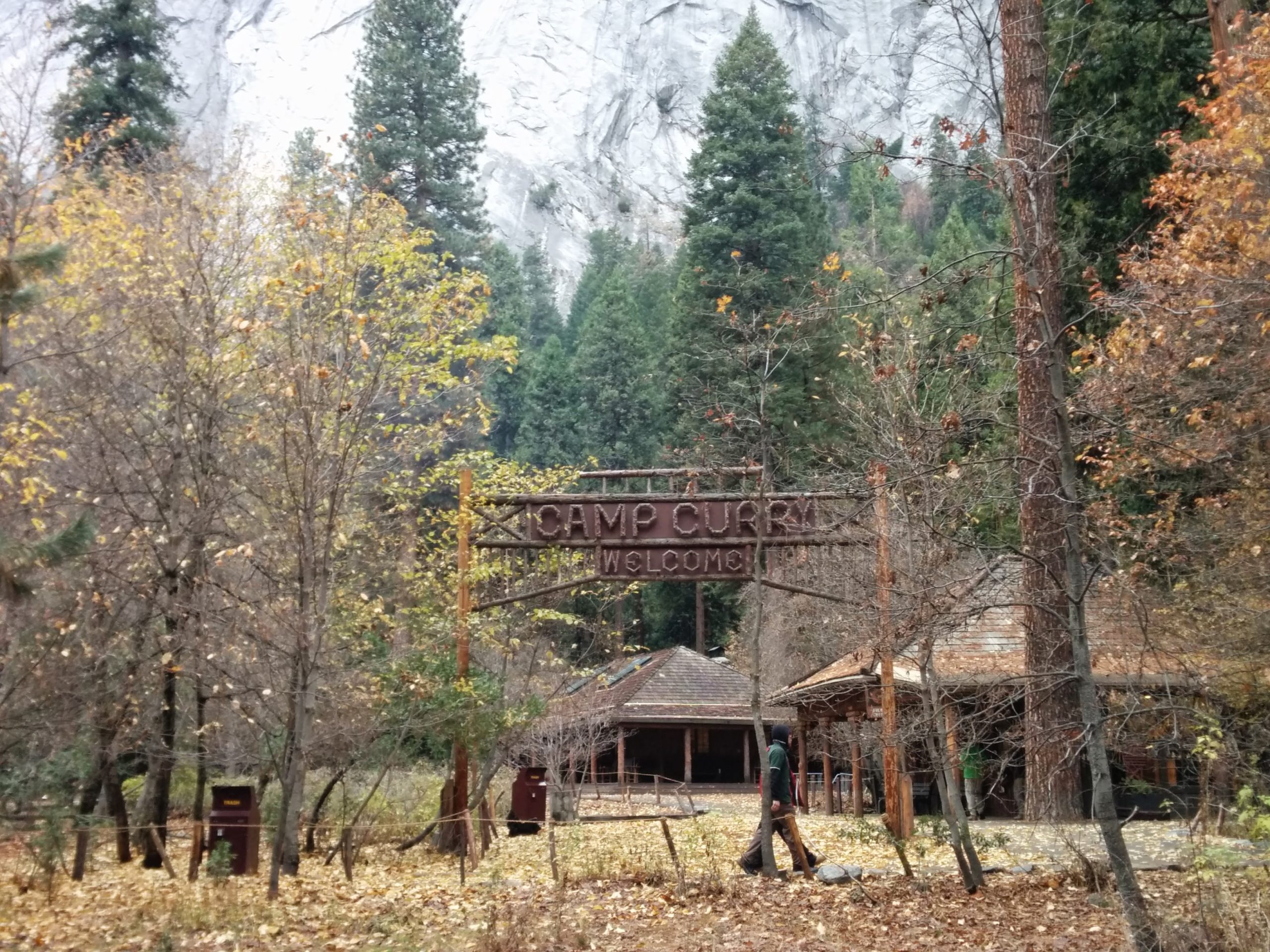
If you want to stay as close as possible to the viewing spots and don’t mind a more “campy” experience, Curry Village (formerly known as Camp Curry) is a great budget-friendly choice. It’s right in the heart of the Valley, which saves you the driving time.
The accommodations here are mostly canvas tent cabins. They are pretty minimal, but they put you right under the towering granite walls of the park. If you go this route, make sure to book the heated tents. February in the Valley is usually freezing once the sun goes down, and you’ll be glad to have that heater humming in the corner.
Things to Keep in Mind for staying at Curry Village
- Shared Bathrooms: Most tents share a central bathhouse, so keep that in mind if you’re not a fan of midnight walks in the snow.
- No Food in Tents: Because of the bears, you can’t keep any food or scented items (like toothpaste) inside your tent. You’ll have to store everything in the metal bear locker provided outside.
Best viewing spots for the Yosemite Firefall
Finding the perfect angle to witness the Firefall is key, but it takes a bit of scouting. Because the sun has to hit a very specific part of the cliff, your vantage point changes how the “glow” looks.
Note: While many edited photos make it look like only the water is on fire, in reality, the sunset light spills onto the surrounding granite, turning the entire cliff face a glowing orange. From the right angle, this glow actually forms the shape of a giant heart on the side of El Capitan, making it the ultimate “no-brainer” travel plan for a romantic Valentine’s surprise.
Here are the spots we scouted and where we eventually settled.
El Capitan Picnic Area
This is easily the most popular spot for a reason. It’s well-equipped with picnic benches and restrooms, making it a great home base if you’re traveling with family. This is also the closest to the Firefall and the spot where Galen Rowell photographed the Firefall from. There’s also a shuttle stop nearby, which is super convenient given how tricky parking can be. It has a great clear view of the fall, but it does get very busy.
The “Photographer’s Row” (East of the Picnic Area)
We spent some time walking along the Northside Drive area and the Valley Floor Trail to see if we could find a different perspective. We eventually settled at a spot east of the El Capitan Picnic Area, where we found a sprawling group of photographers already set up. This area gives you a slightly different profile of the falls against the granite face of El Capitan, and the energy there is great—everyone is just as excited as you are.
How to escape the crowds
If you want to witness the magic away from the masses, your best bet is to walk the Valley Floor Trail. The further you walk away from the main parking areas and shuttle stops, the more the crowds thin out. You can find your own little pocket of the forest to set up your chair and watch in peace.
Pro-tip: Arrive early. Viewing spots become incredibly crowded, and some people actually camp out with their tripods starting in the morning just to claim a specific square foot of dirt.
You don’t necessarily need to spend your whole day waiting, but I’d highly recommend arriving at your chosen spot by 3:30 PM at the latest. This gives you enough time to find your angle, set up your gear, and settle in before the sun begins its final descent. Plus, the light in the valley is beautiful during those golden hours leading up to the main event!
Other tips
Parking – Parking in the Valley during Firefall can be a bit of a headache, especially if you arrive later in the day. You might find yourself driving in circles trying to snag a spot, and if you aren’t careful, you could miss the light entirely.
Do not leave before end of the sunset. While we saw quite a few people heading out early to beat the traffic, I wouldn’t recommend leaving before the sun is down—you’re there for the full experience, so stay for every minute of that glow!
Shuttles. Shuttles get crowded at the end when everyone leaves. If you plan to take the shuttle back to your car after sunset, be prepared to wait a while before you can take a shuttle.
The Firefall at Yosemite National Park is nature’s mesmerizing show, offering moments of wonder and awe. Use these tips to plan your visit, but remember, the magic lies in nature’s timing. Prepare early, check the weather, and most importantly, be patient for an unforgettable viewing experience.
If you enjoyed this blog post, Subscribe to the blog to get free adventures right to your inbox. Or follow us on IG (@weekendwanderersinc) for more recommendations and adventures.